JOIN GEOSHARE
Corrosion-Resistant Piezometers: Supporting Long-Term Tailings Monitoring
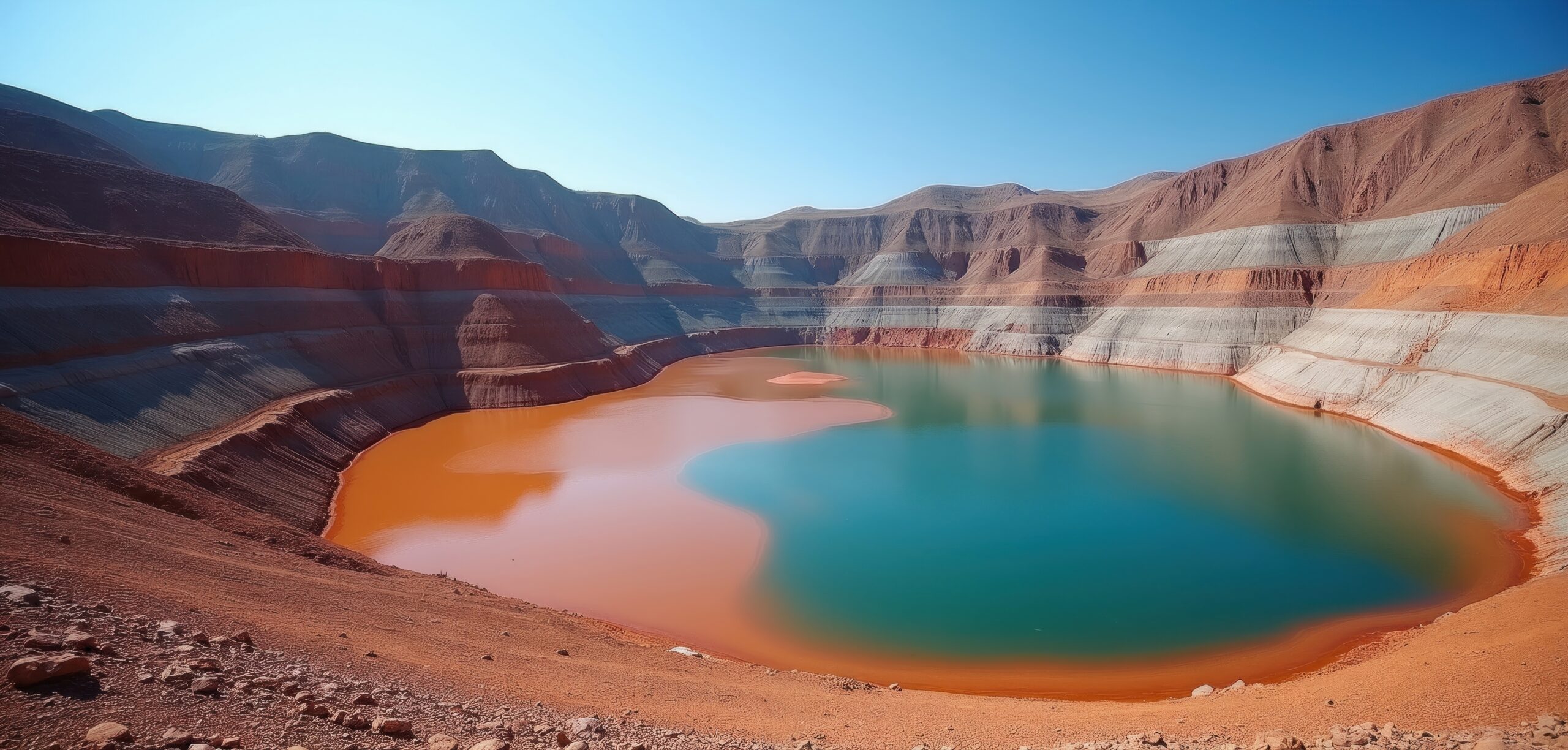
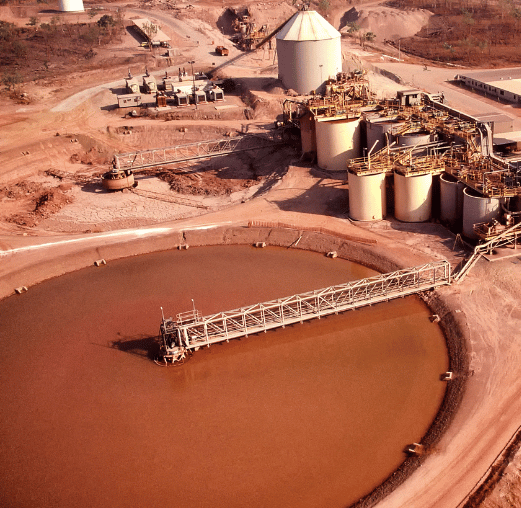
Tailings Storage Facilities (TSFs) are essential to mining operations, containing the waste materials left behind during mineral processing. Depending on the ore and extraction methods involved, these materials can contain harmful substances that pose significant risks to surrounding ecosystems, water supplies and communities if released into the environment.
Maintaining the stability and integrity of these facilities is critical.
Effective geotechnical monitoring helps engineers understand how a TSF is behaving, identify changes in ground conditions and make informed decisions about its ongoing management.


Why Is Pore Water Pressure Monitoring Important?
One of the most important parameters to monitor is pore water pressure. As TSFs grow and environmental conditions change, reliable measurements are essential to understanding how water influences the strength and stability of the materials within the structure.
However, the potentially aggressive chemical conditions found in tailings environments can present challenges for monitoring equipment. This is where corrosion-resistant instrumentation can play an important role.
How Does Pore Water Pressure Affect Stability?
Pore water pressure is the pressure exerted by water between soil or tailings particles. It influences effective stress – the stress carried by the solid particles – which directly affects their strength and stability.
When pore water pressure rises, effective stress can decrease, potentially reducing shear strength and increasing the risk of deformation, instability or liquefaction.
Within a TSF, pore water pressure can be affected by rainfall, seepage, changing water levels and the ongoing placement of tailings.
Piezometers measure pore water pressure at specific locations, helping engineers track changing conditions, identify trends and assess potential risks as part of a wider tailings monitoring strategy.
Monitoring as Tailings Storage Facilities Expand
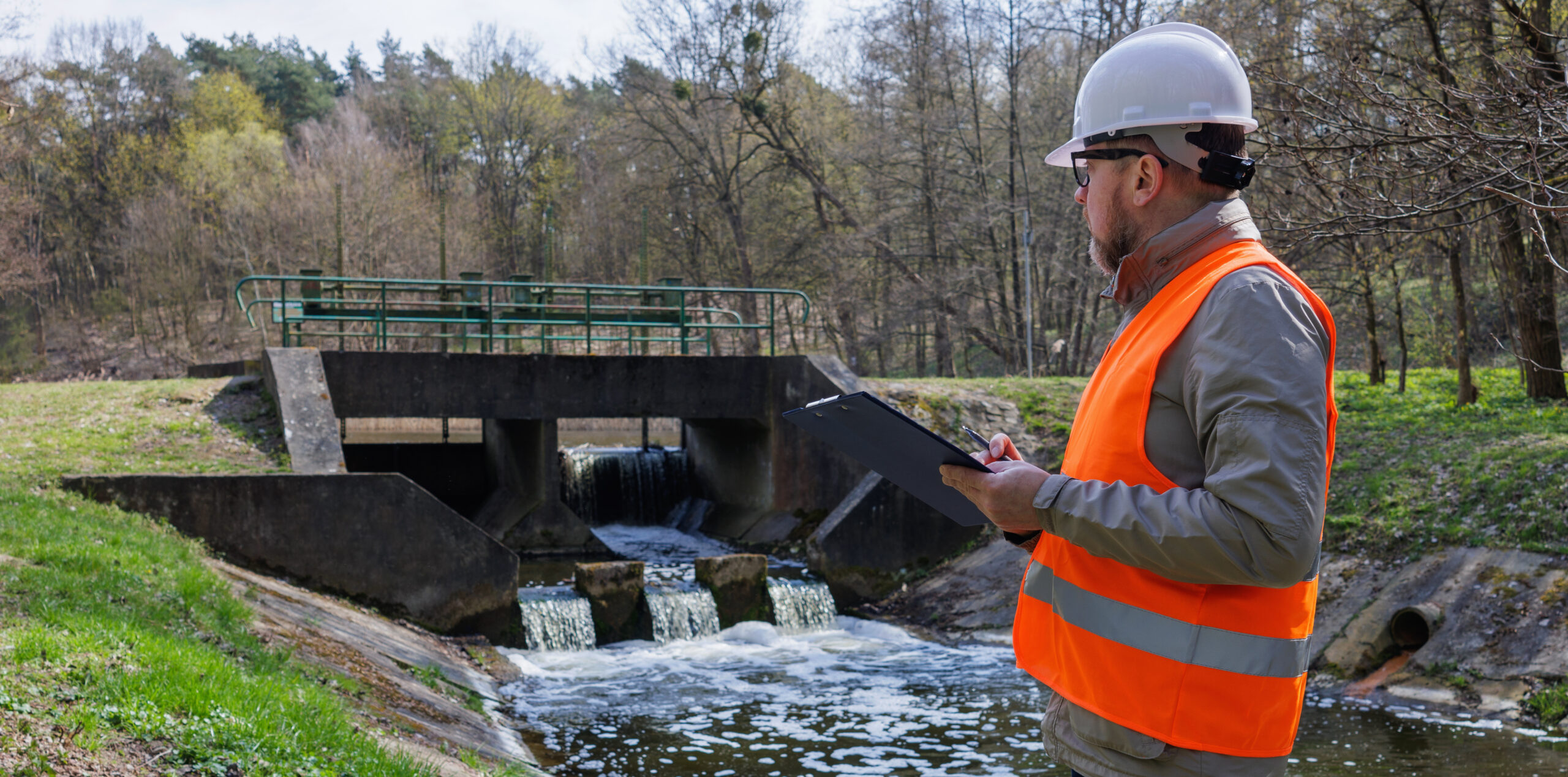
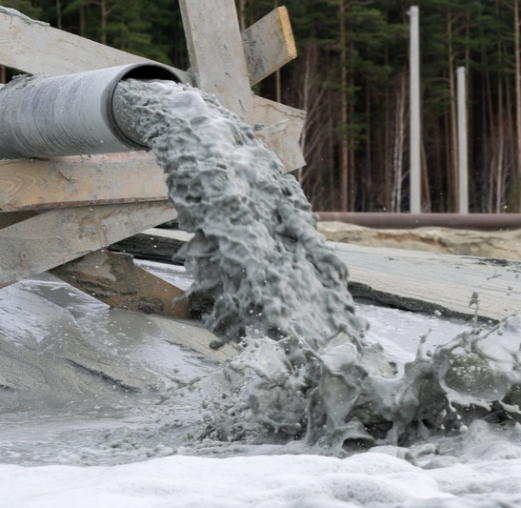
TSFs are often raised in stages to accommodate additional material. As embankment height and loading increase, pore water pressure and seepage conditions can change, making ongoing monitoring essential.
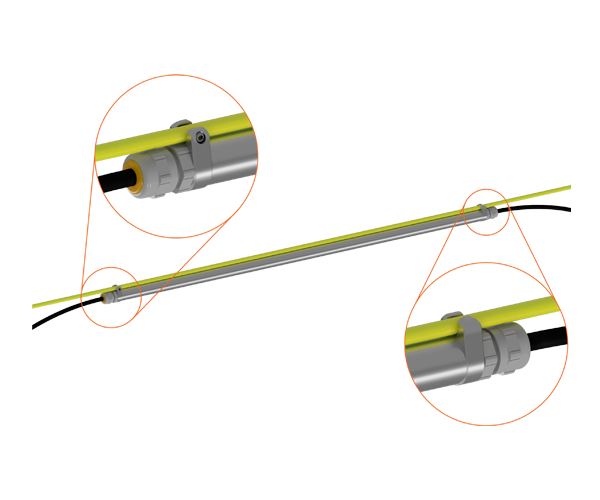
Piezometers are installed at different depths and elevations within the embankment and its foundation to measure pore water pressure across key areas. Their number, positioning and depth depend on the facility’s design, risk assessment and monitoring requirements, with networks adapted as construction progresses.
Measurements collected over time help engineers track changes in pore water pressure and identify potential concerns. To maintain reliable long-term data, piezometers must also withstand the potentially aggressive chemical conditions found within tailings.
The Challenge of Corrosion in Tailings Environments
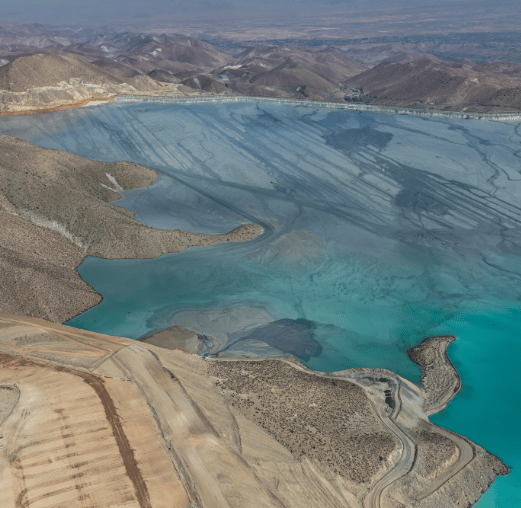
Depending on the minerals processed and reagents used during extraction, tailings can contain chemically aggressive materials that pose a risk to instrumentation exposed to the surrounding material or water.
Durability is particularly important for piezometers installed deep within an embankment, where access and replacement can be difficult, disruptive and costly. Selecting suitable materials at the design stage is therefore essential.
Corrosion-resistant piezometers can help withstand the aggressive chemical conditions found in TSFs, supporting reliable long-term pore water pressure monitoring. Selection should take into account the chemical composition of the tailings and surrounding water, installation depth, expected service life and the compatibility of instrument materials with site conditions.
Introducing the Geosense VWP-3700: Titanium Piezometer for Demanding Applications
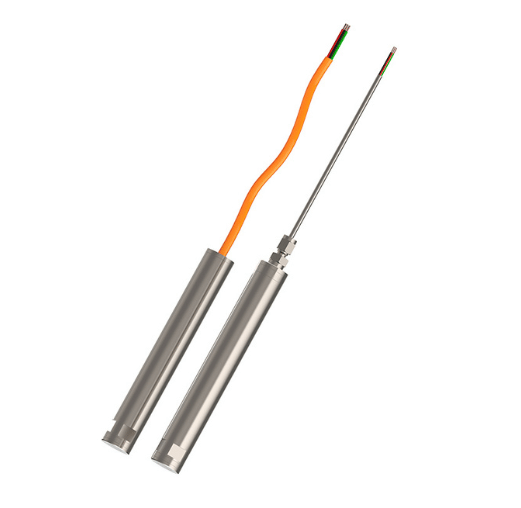
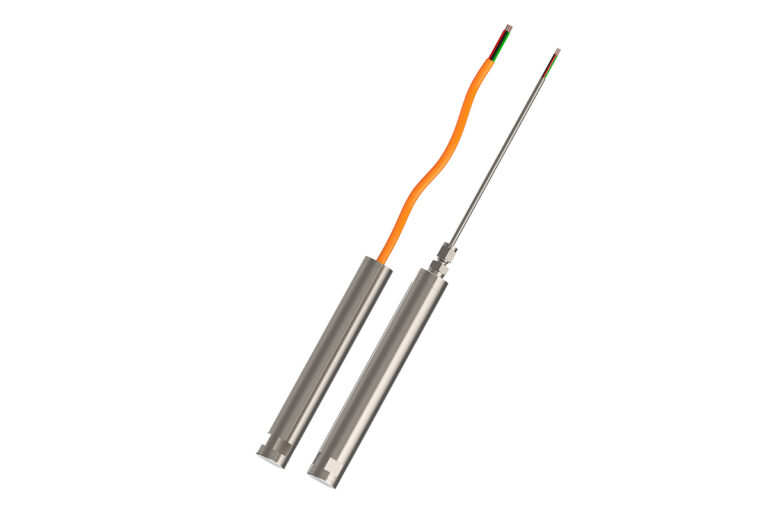
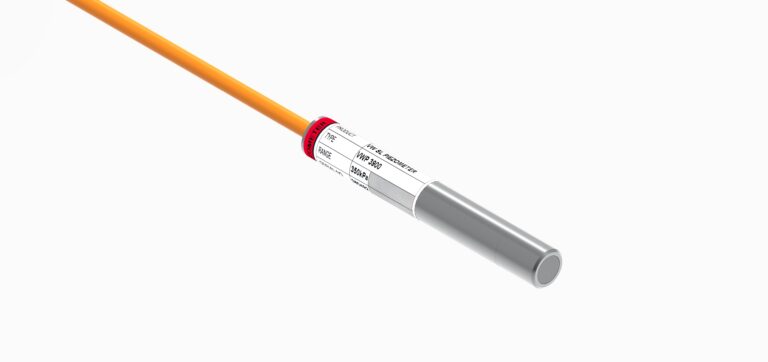
The Geosense VWP-3700 is designed to measure pore water pressure in demanding environments, including TSFs and mine leach heaps.
Based on the proven technology of Geosense vibrating wire piezometers, the VWP-3700 features titanium external casings and wetted surfaces, making it a suitable choice for applications where resistance to chemical attack is an important consideration.
Key features and benefits include:
- Titanium construction: Protects the instrument in chemically aggressive environments.
- Proven vibrating wire technology: Converts pressure acting on a sensitive diaphragm into a frequency signal.
- Signal stability: Frequency-based signals are resistant to electrical noise and suitable for long cable runs.
- Performance in wet conditions: Vibrating wire technology is well suited to demanding mining environments.
- Flexible cable options: Polyurethane and stainless-steel cables accommodate different installation requirements.
Supporting Long-Term Tailings Monitoring
TSFs evolve throughout their operational life, with changes in embankment height, loading and water conditions affecting pore water pressure and stability. Long-term monitoring is essential to track these changes, identify developing trends and investigate potential concerns early.
Given the scale of many facilities and the need for frequent or continuous measurements, automated monitoring can offer significant advantages. Using data loggers, wireless networks and visualisation software, piezometers can provide regular measurements and remote access to data, reducing site visits while helping engineers maintain visibility of changing conditions as the facility expands.
Discover the Geosense VWP-3700 Series Corrosion Resistant Piezometer – https://www.geosense.com/products/corrosion-resistant-piezometer-vibrating-wire-vwp-3700-series/
For advice on selecting the right piezometer and automated monitoring solution for your tailings monitoring requirements, contact our technical team at [email protected].
Page Contents
Share this article