JOIN GEOSHARE
Portable Inclinometers vs In-Place Inclinometers (IPIs): Choosing the Right Monitoring Solution

When it comes to monitoring ground movement, engineers are often faced with an important question: should they use a portable inclinometer or invest in an automated in-place inclinometer (IPI) system?
Both technologies are designed to measure subsurface movement and provide critical data for assessing excavations, retaining structures, embankments, slopes, and other geotechnical assets. The difference is not which solution is better overall, but which one is best suited to the specific requirements of a project.
Portable Inclinometers: Flexible and Cost-Effective
Portable inclinometers have long been a trusted solution for geotechnical monitoring. The system uses a probe that is manually lowered through inclinometer casing installed in a borehole, with readings taken at regular intervals to create a movement profile.
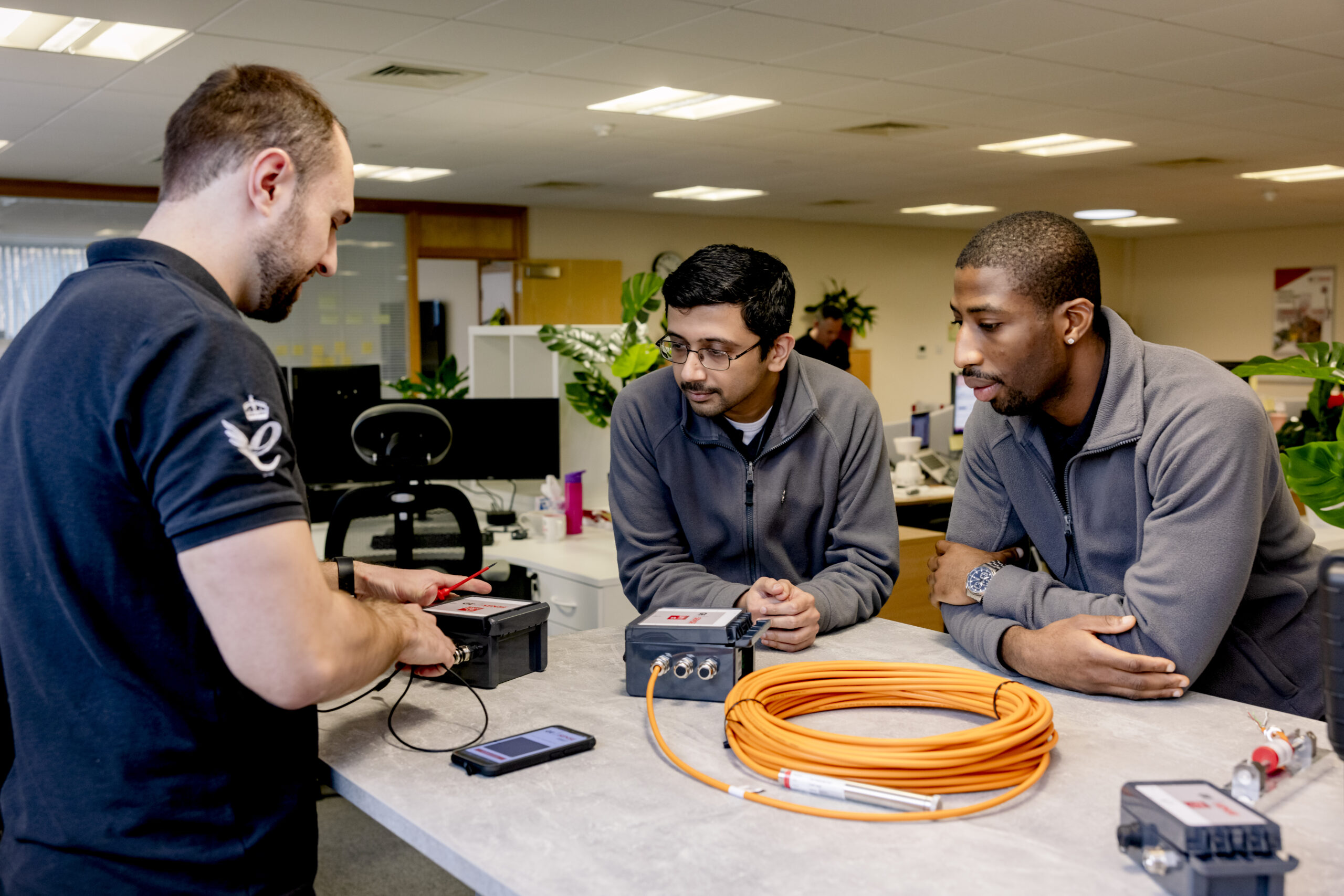
Modern portable systems are quick and easy to use. A 30-metre borehole survey can typically be completed in around 20 minutes, and many systems now connect directly to a smartphone or tablet via Bluetooth for real-time readouts through a mobile app.


Key advantages of portable inclinometers
Lower upfront cost
A single probe can be used across multiple boreholes and projects, making portable systems a cost-effective option for organisations managing several sites.
Ideal for infrequent monitoring
For projects where surveys are only needed weekly, monthly, or at key construction stages, portable systems provide an efficient way to collect data without investing in permanent infrastructure.
Flexibility across sites
Portable systems can easily be transported between locations, which is especially useful for consultants and contractors working on multiple projects.
Simple installation
Only the inclinometer casing needs to be installed in the borehole. There is no requirement for permanent sensors, power supplies, or communication equipment.
High measurement accuracy
Portable inclinometers remain a highly accurate and widely accepted solution for many geotechnical applications.

Things to consider
Portable systems do require manual site visits and trained personnel to collect data. As monitoring frequency increases, labour costs and site time can also increase. In addition, measurements are only captured at the time of the survey, so movement occurring between visits may not be immediately identified.

In-Place Inclinometers (IPIs): Automated and Continuous Monitoring
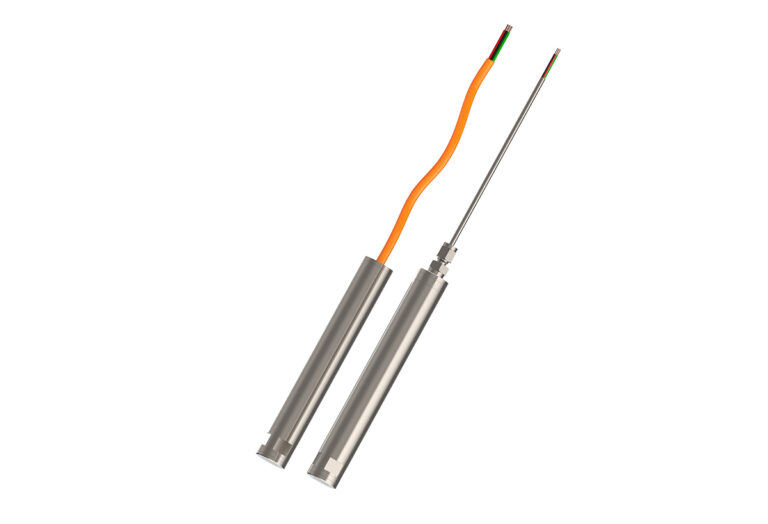
In-place inclinometer systems use permanently installed sensors within the borehole to continuously measure ground movement. The sensors are connected to a data acquisition system and can transmit information through wireless networks to cloud-based monitoring platforms.
This allows engineers and stakeholders to access live data remotely and view trends across an entire project in real time.

Key advantages of IPI systems
Continuous monitoring
IPIs provide regular readings throughout the day, offering a much more detailed understanding of ground behaviour than periodic manual surveys.
Reduced labour requirements
Once installed, data is collected automatically, minimising the need for routine site visits and manual data collection.
Remote access and visualisation
Engineers can access live monitoring data through online dashboards, making it easier to compare trends, visualise movement, and share information with project stakeholders.
Early warning capability
Many IPI systems can be configured to send automatic alerts if movement thresholds are exceeded, allowing project teams to respond quickly to potential issues.
Scalable for large projects
Multiple IPIs can be connected together through a wireless network, creating a comprehensive monitoring system across large infrastructure or high-risk projects.
Improved safety
Remote monitoring reduces the need for personnel to access hazardous areas such as deep excavations, unstable slopes, or active construction zones.

Things to consider
IPI systems require a higher initial investment due to the permanent sensors, communication hardware, and software infrastructure involved.
Installation and commissioning are also more complex than with portable systems. However, for projects requiring frequent or continuous monitoring, the operational efficiencies and real-time insights can provide significant long-term value.

Key Considerations When Choosing a System
The most appropriate solution depends on the specific needs of the project. Engineers should consider:
- How frequently is data required?
- Is real-time monitoring necessary?
- What is the duration of the project?
- Are there budget constraints?
- How critical is early warning of movement?
- How many locations need to be monitored?
In some cases, a combination of both technologies may be the best approach. Portable inclinometer surveys can provide an economical solution during early project stages, while IPIs may later be installed in higher-risk areas where continuous monitoring becomes necessary.
Conclusion
There is no one-size-fits-all solution when it comes to inclinometer monitoring. Portable inclinometers continue to provide a reliable, accurate, and cost-effective option for periodic surveys, while IPIs offer the benefits of automation, remote access, and continuous monitoring for larger or more demanding projects.
By understanding the strengths of each technology and matching them to the project’s objectives, engineers can select the monitoring strategy that delivers the most value throughout the life of the project.
Discover our portable and automated inclinometer technologies – https://www.geosense.com/product-category/inclinometers/
Page Contents
Share this article