JOIN GEOSHARE
Understanding Water Level Monitoring with the Geosense VWM-2000 Weir Monitor
When every millimetre matters, accuracy matters more.
Monitoring water levels accurately is critical across a wide range of applications – from dams and reservoirs to weirs, tanks and streams. Small changes in water level can provide valuable insight into seepage, flow behaviour and changes in hydraulic conditions. That’s why we’ve developed the Geosense VWM-2000 Weir Monitor: a highly stable, precise water-level monitoring system designed for dependable long-term performance, even in challenging conditions.
Developed, tested and refined
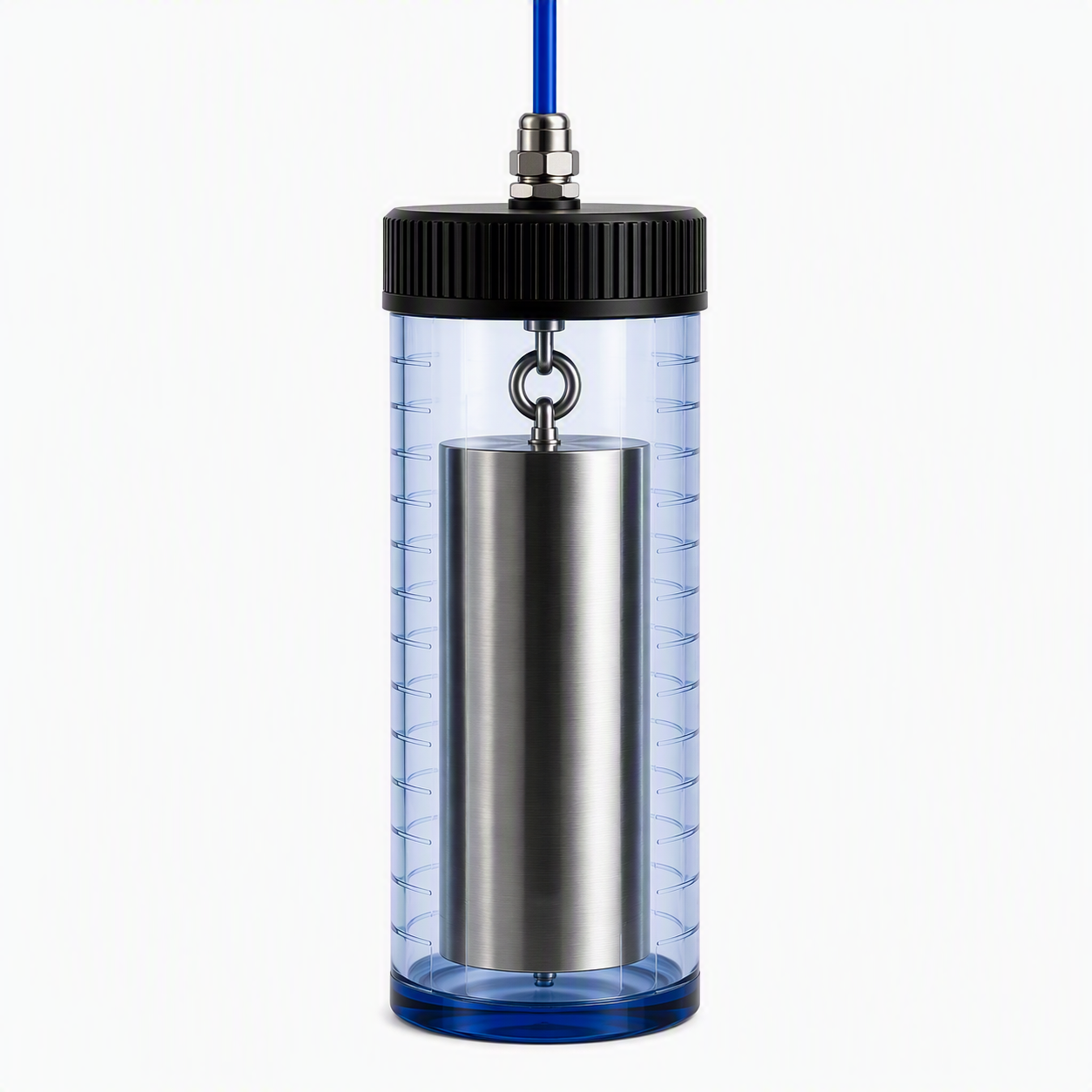
The VWM-2000 is the result of six months of development and testing. At its heart is our proven vibrating wire technology, combined with a suspended cylindrical weight and a specially designed damping system. The result is a monitoring solution that can detect very small changes in water level (0.1mm resolution) while maintaining stable readings. The system was tested using volumetric tubes and carefully refined to optimise its performance in real-world conditions.


How does the VWM-2000 work?
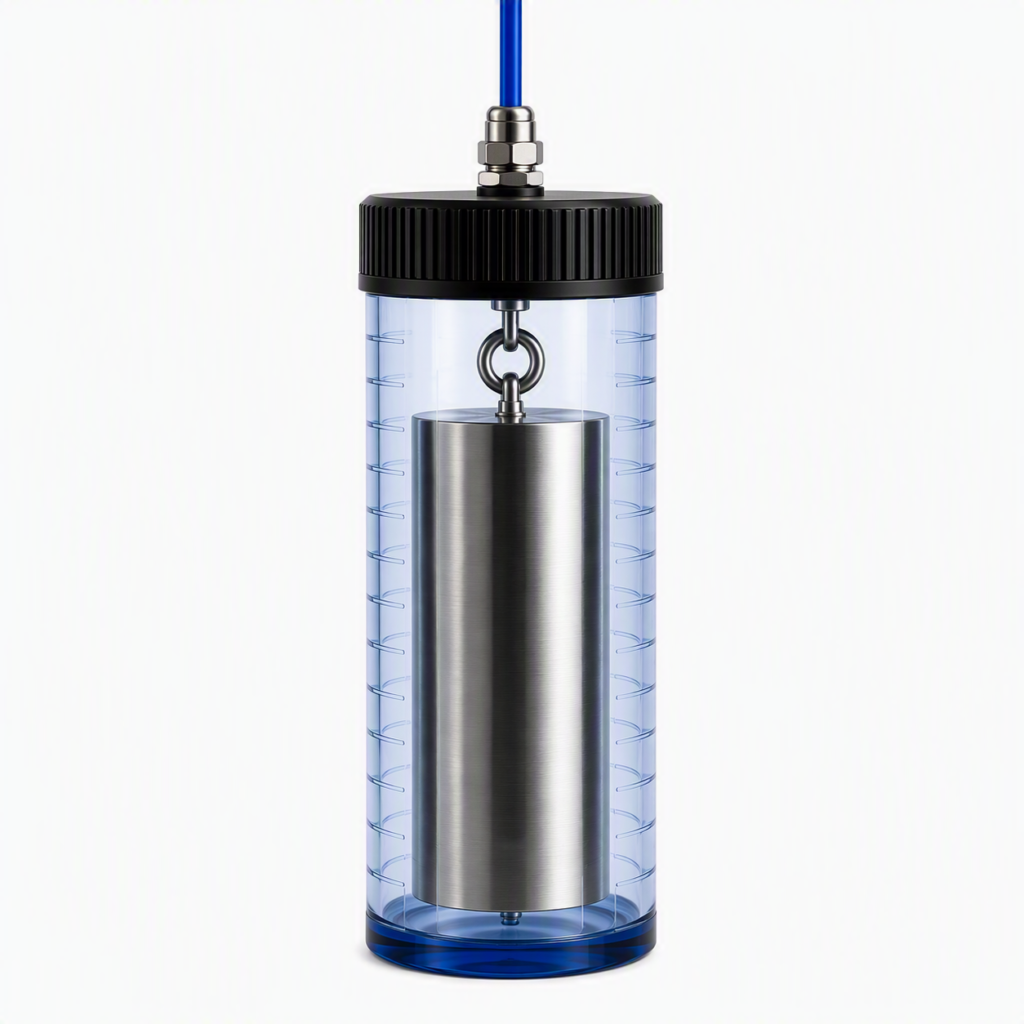
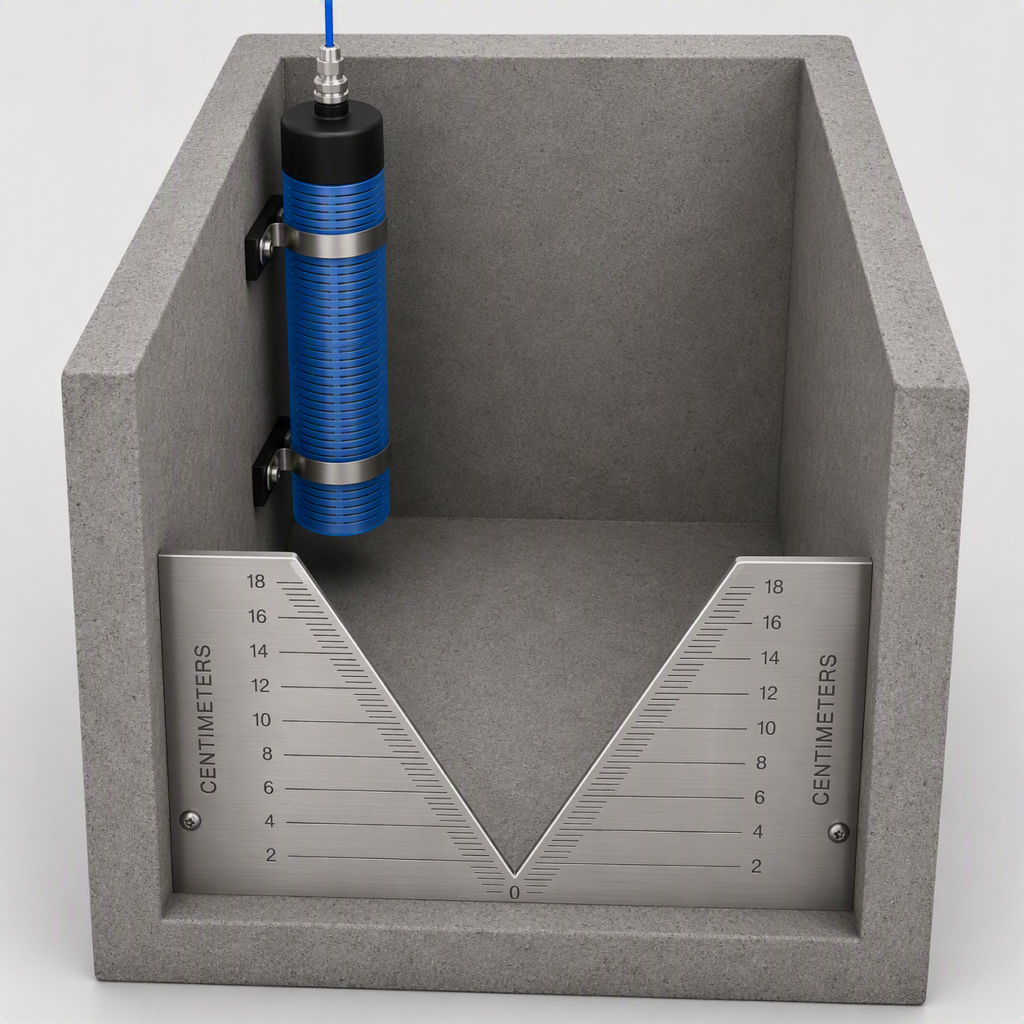
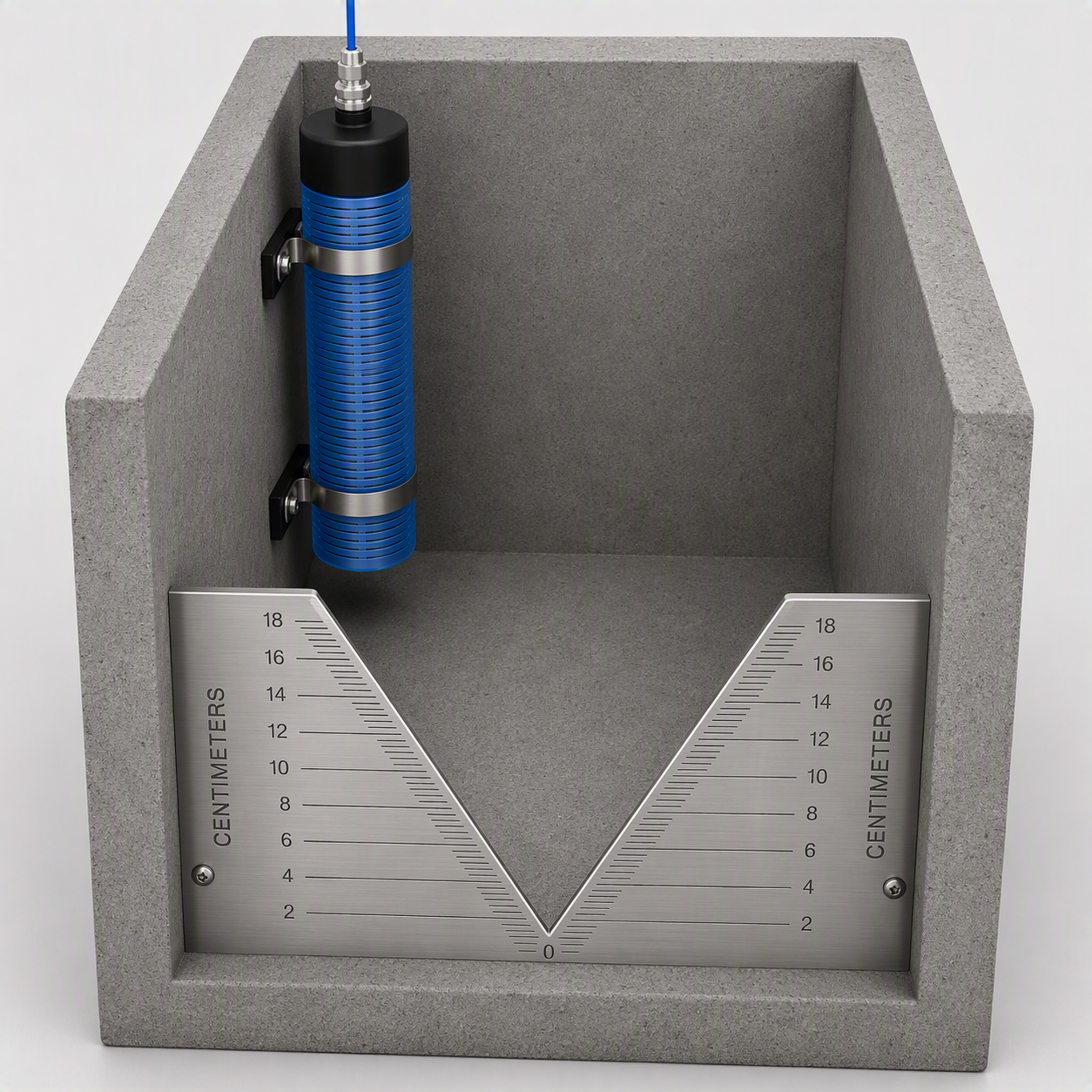
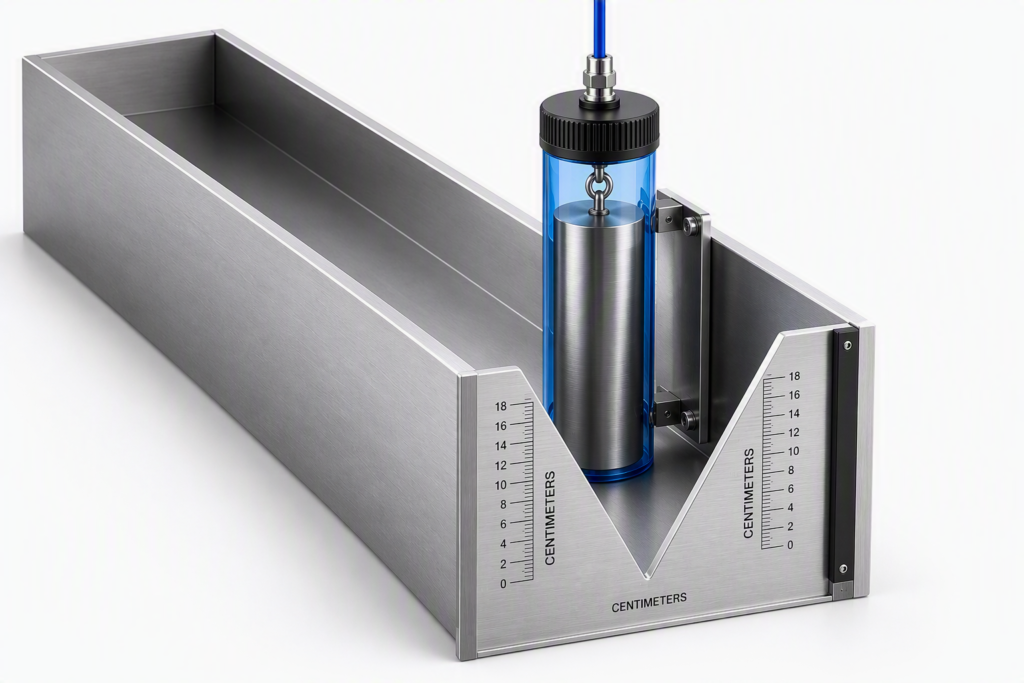
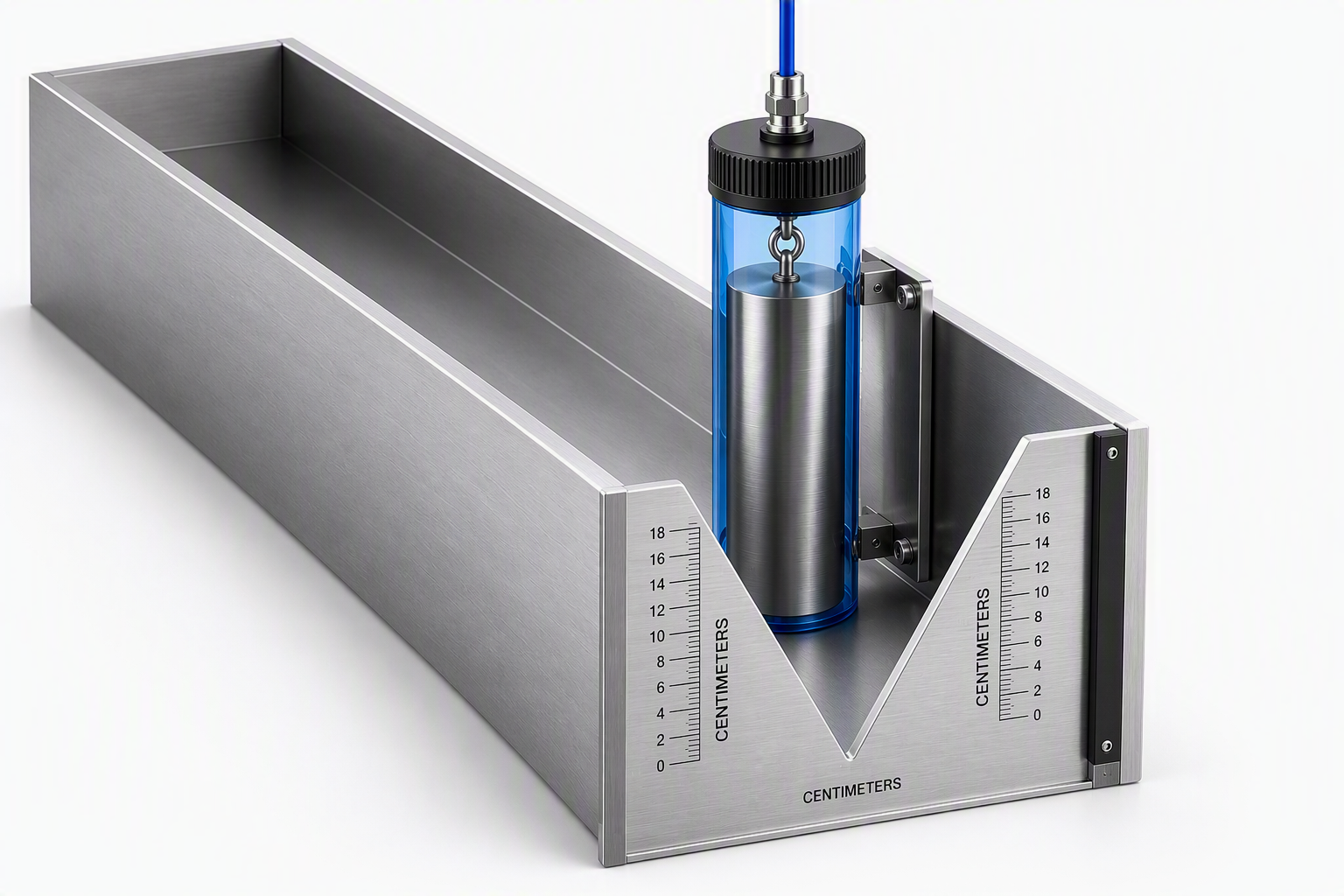
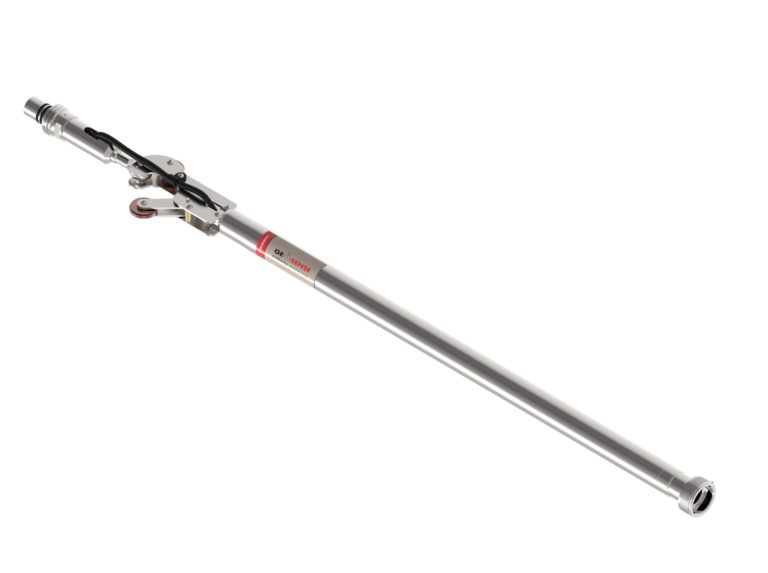
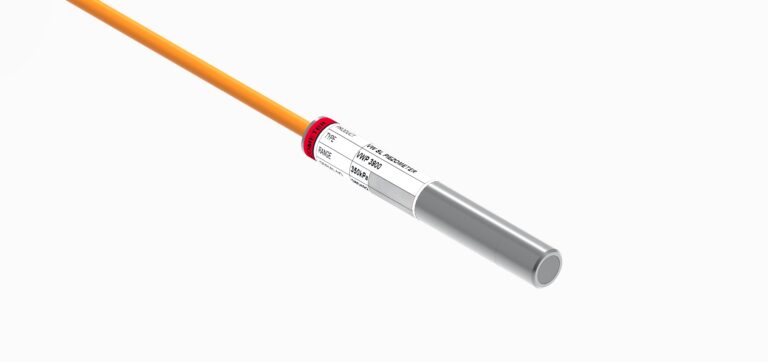
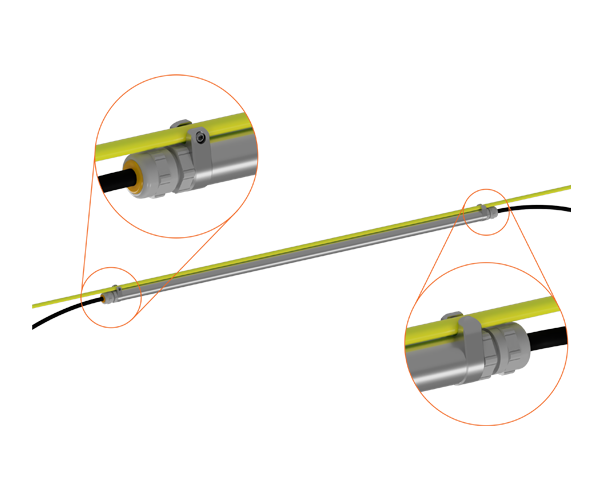
The VWM-2000 uses a vented vibrating wire force transducer together with a suspended cylindrical weight to monitor changes in water level. As the water level rises or falls, the weight moves accordingly. The vibrating wire transducer detects this movement and produces a frequency-based output corresponding to the measured level. The cylindrical weight is hollow, giving it natural buoyancy. This helps provide additional stability to the measurement system. The transducer and weight are housed within a slotted PVC pipe, which acts as a baffle to reduce the influence of light turbulence on the weight and help maintain stable readings. The casing can be installed beside or within a weir, tank or other water-monitoring structure, depending on the application.
Why use vibrating wire technology?
Vibrating wire technology offers several advantages for long-term water-level monitoring. The VWM-2000 produces a frequency-based output, meaning the signal is not affected by changes in cable resistance. This makes the system particularly suitable for installations requiring long cable runs, where maintaining signal integrity can be challenging. The transducer is also vented to atmosphere, automatically compensating for changes in atmospheric pressure. A vented termination box is supplied with the system, allowing longer cable runs using non-vented cables. Periodic replacement of the desiccant may be required to maintain performance.
Monitoring water levels over a V-notch weir
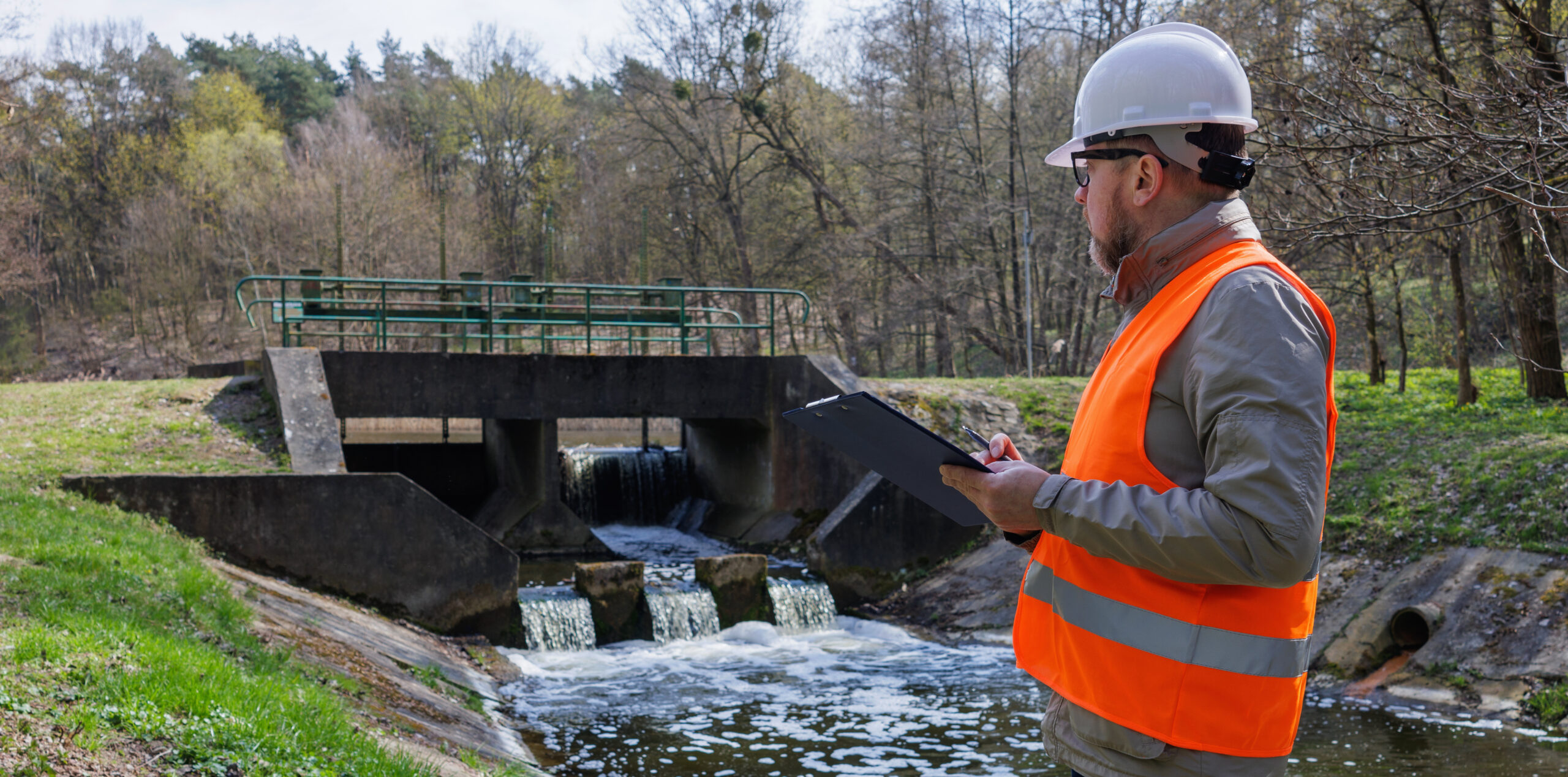
One key application for the VWM-2000 is monitoring water levels in conjunction with a V-notch weir. A V-notch weir provides a controlled structure through which water flows. By accurately measuring the height of water above the notch, the water level can be used to determine flow rate. This makes accurate and stable water-level measurement particularly important where the system is being used for flow measurement or seepage monitoring. Even small changes in water level can be significant, particularly when monitoring structures such as dams where changes in seepage behaviour may provide an early indication that further investigation is required.
Why monitor seepage?
Seepage is a normal characteristic of dams and other water-retaining structures. The important factor is understanding whether seepage remains within expected limits or whether it changes over time. Regular monitoring can help identify changes in water flow and provide valuable data for assessing the condition and performance of a structure. The VWM-2000 can therefore form part of a wider monitoring system designed to provide long-term visibility of water-level behaviour.
Where can the VWM-2000 be used?
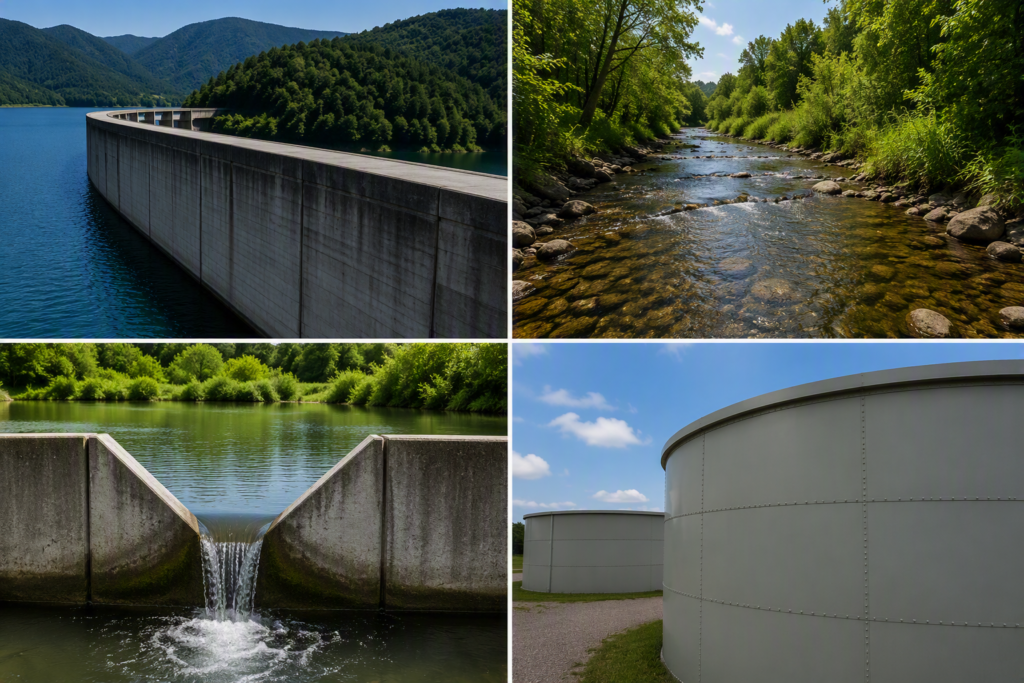
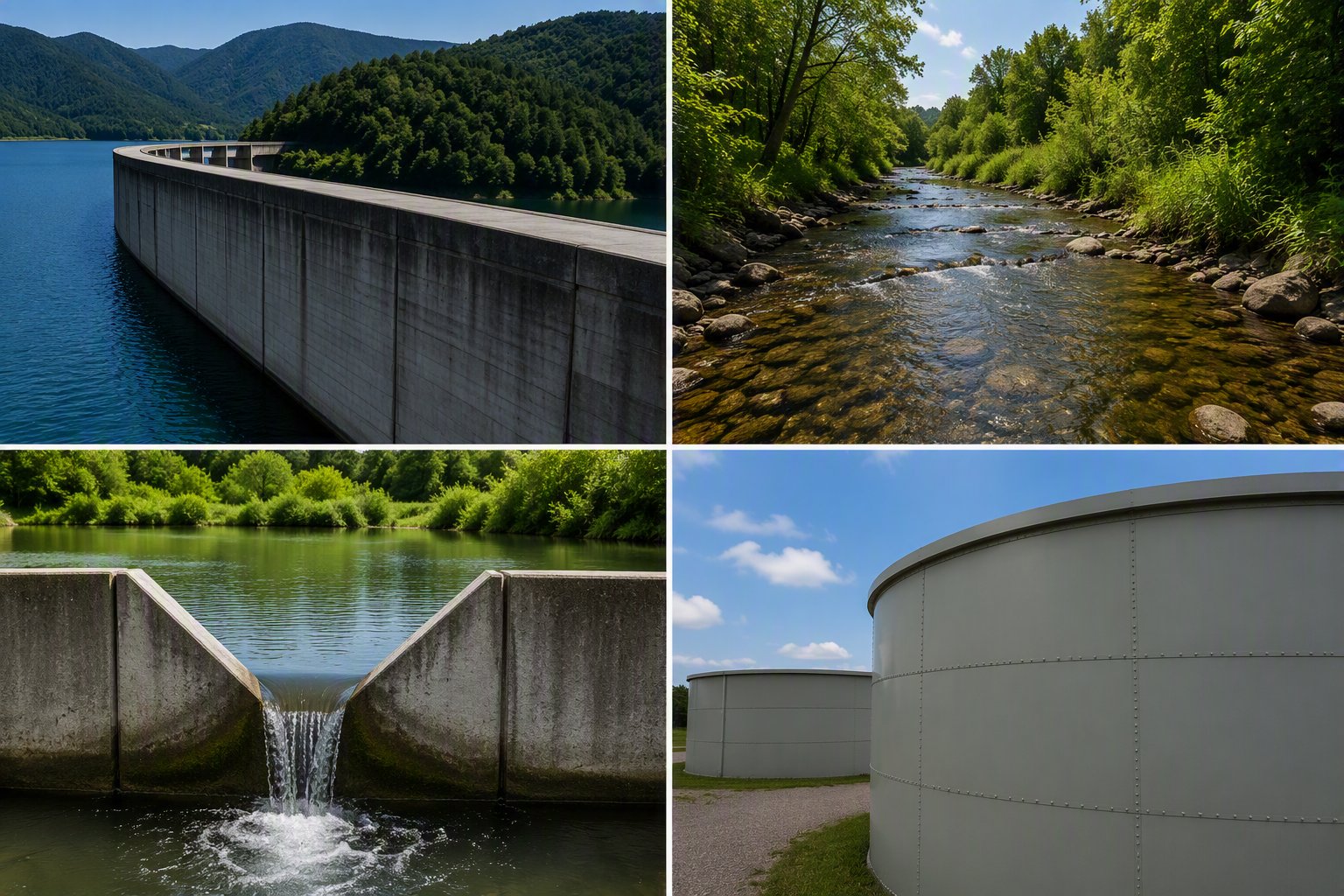
The versatility of the VWM-2000 makes it suitable for a range of water-level monitoring applications, including: Weirs Monitor water levels over V-notch and other weir structures to support flow and seepage monitoring. Dams and reservoirs Monitor changes in water levels and support long-term seepage and structural monitoring programmes. Tanks Measure changing water levels in storage and containment tanks where stable, accurate monitoring is required. Streams and channels Monitor changes in water level in natural or engineered waterways and support flow-monitoring applications.
Monitoring water quality alongside water level
Water level is only one part of understanding what is happening within a water system. For applications such as dam and seepage monitoring, turbidity can also be an important parameter to monitor. Turbidity refers to how clear or cloudy water is and can change when sediment or other particles enter the water. The VWM-2000 itself measures water level rather than turbidity, but water-level monitoring can be combined with separate turbidity measurements to provide a more complete picture of changing conditions. By monitoring multiple parameters over time, engineers can identify changes that may warrant further investigation.
Simple integration into your monitoring system
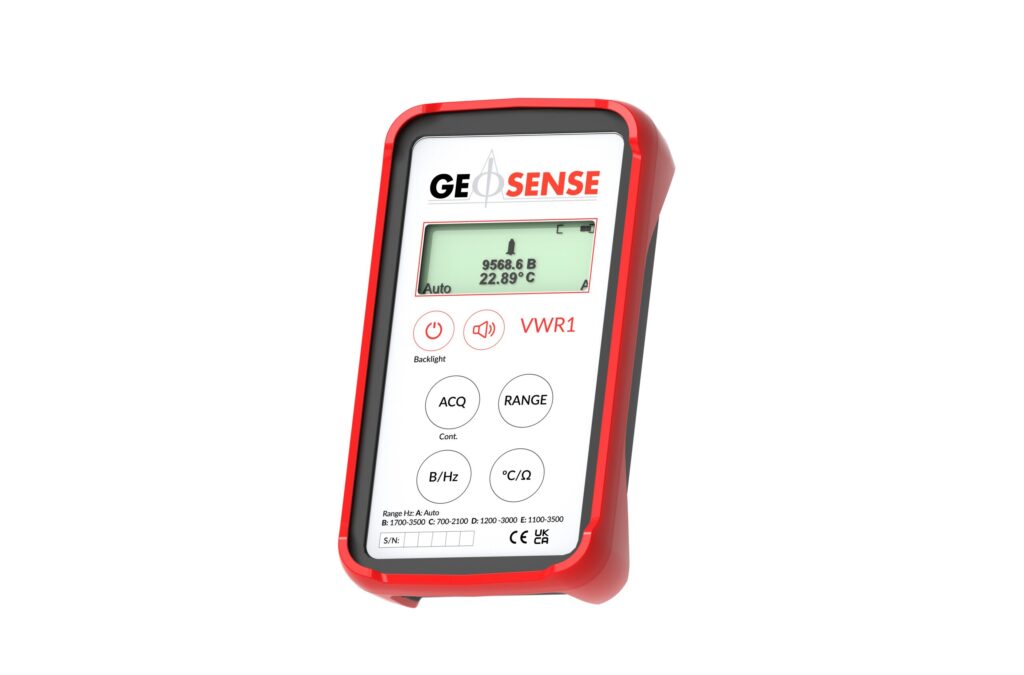
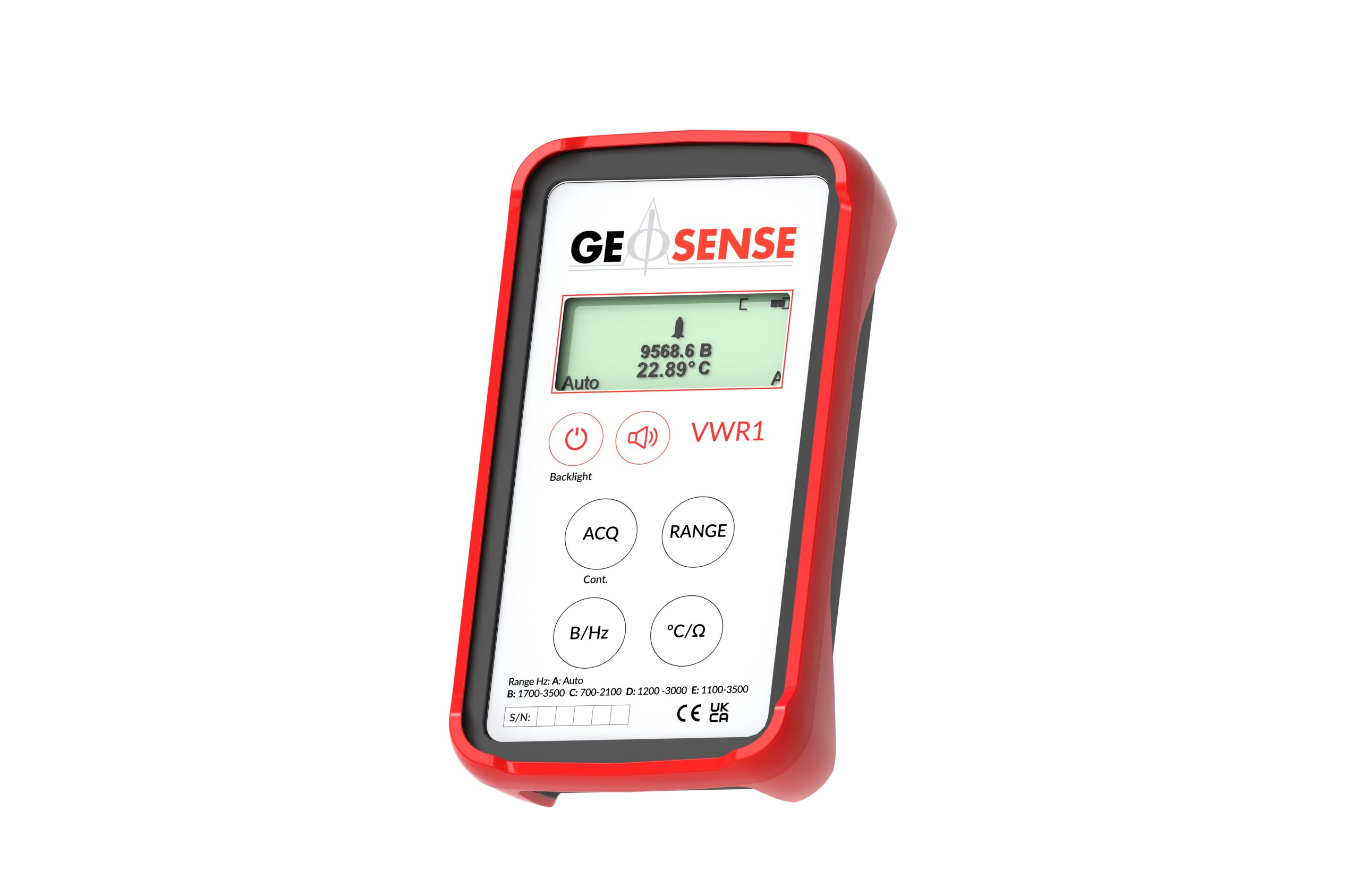
The VWM-2000 can be read using the Geosense VWR-1 vibrating wire readout or other compatible vibrating wire readout devices and data loggers with vibrating wire interface modules. This makes it suitable for both manual monitoring and automated data collection, depending on the requirements of the project. For long-term monitoring programmes, the sensor can be connected to a data acquisition system to allow water-level measurements to be collected at regular intervals and reviewed over time.
Built for stable, long-term monitoring
From the vibrating wire transducer to the naturally buoyant weight and protective baffle system, every element of the VWM-2000 has been designed with one goal in mind: stable and dependable water-level measurement.
Want to find out more about the VWM-2000?
Get in touch with the Geosense team to discuss your water-level or seepage monitoring requirements
[email protected]
Page Contents
Share this article