JOIN GEOSHARE
Behind the Build: Meet the Engineers Behind Geosense’s Latest Products
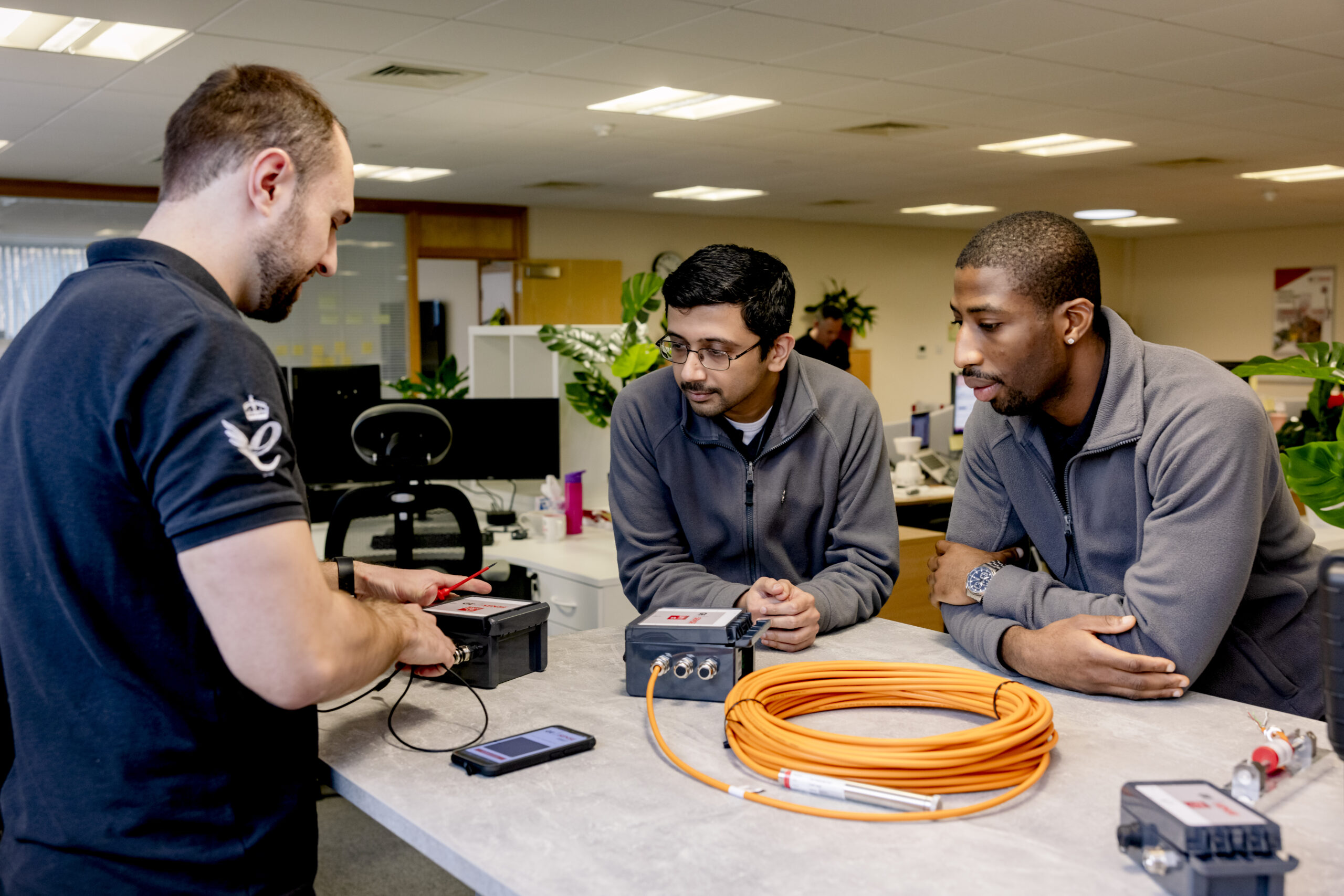
What does it really take to turn an engineering idea into a monitoring instrument?
Behind every Geosense product is a team of engineers combining mechanical design, electronics, software and hands-on problem-solving to create solutions that perform where they matter most — in the field.
We sat down with the engineering team to discover how our latest products are developed, the challenges they face, and what drives them to keep innovating.
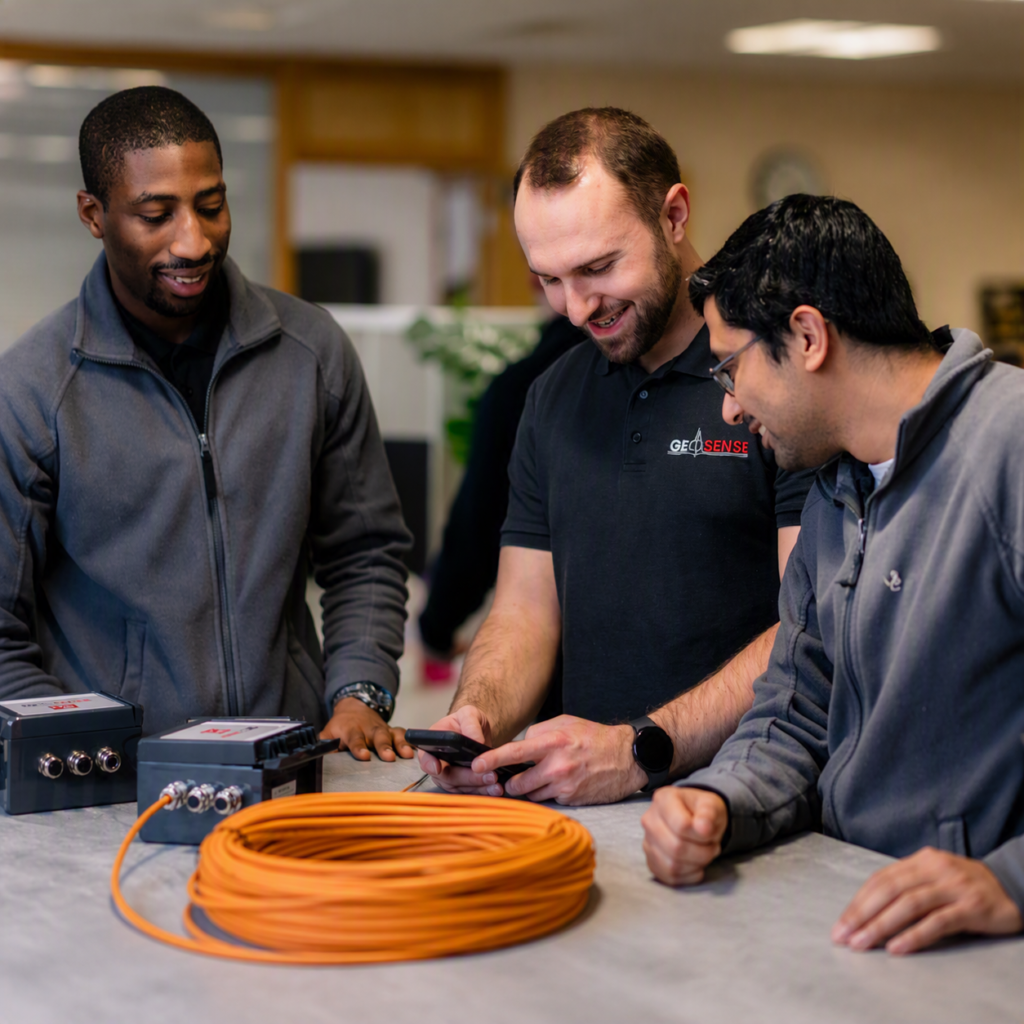
👥 Meet the Team
Before we get into the development process, let’s meet the people behind it.
👤 Rob | Mechatronics Technical Lead
“Whether I’m leading a project or getting stuck into a complex challenge, my role is about providing direction and finding solutions.”
Rob leads the mechanical, electrical and electronic aspects of the engineering department.
Having joined Geosense straight from A Levels, Rob completed his degree in Mechatronics through the company and now brings more than 10 years of hands-on experience to the team.
👤 David | Mechanical Engineer
David focuses on mechanical design, technical drawings and material analysis, combining engineering theory with practical experience to ensure designs perform as intended.
👤 Zaheer | Electronics Engineer
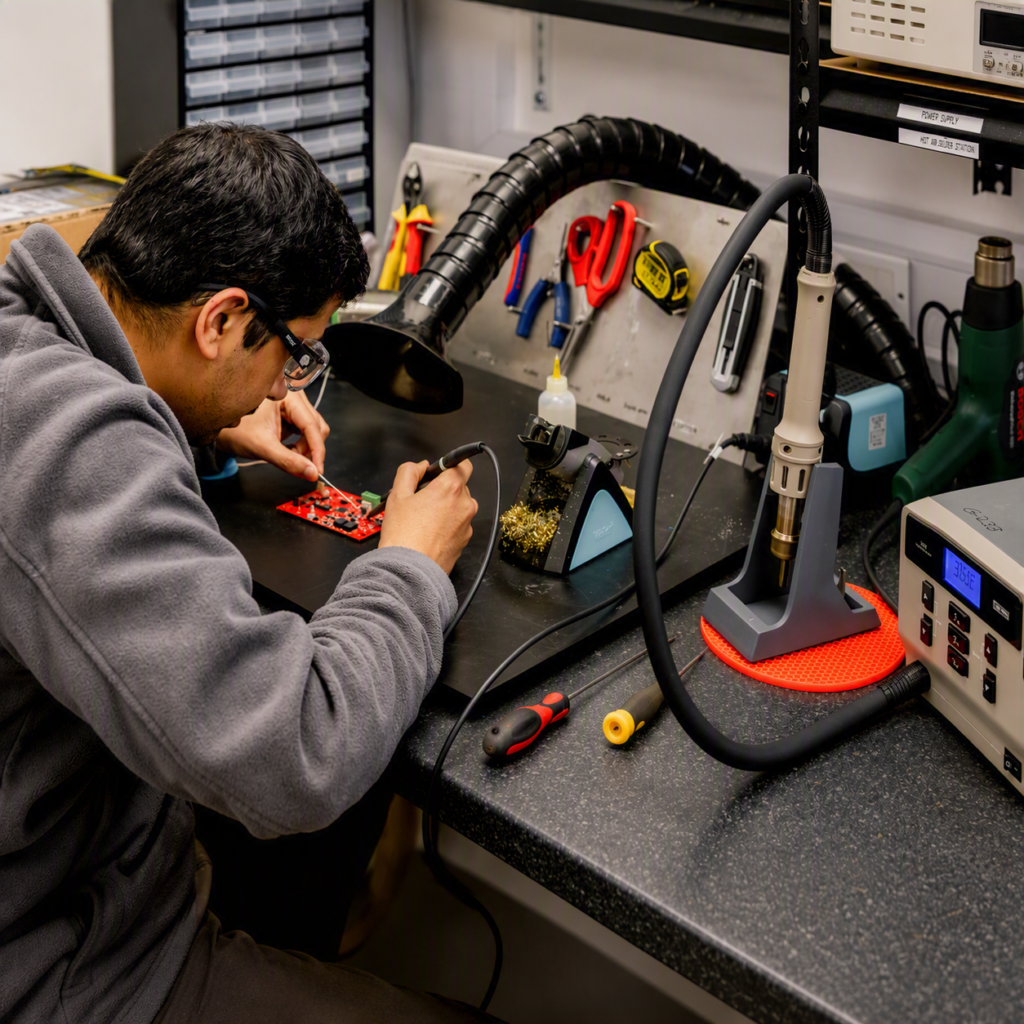
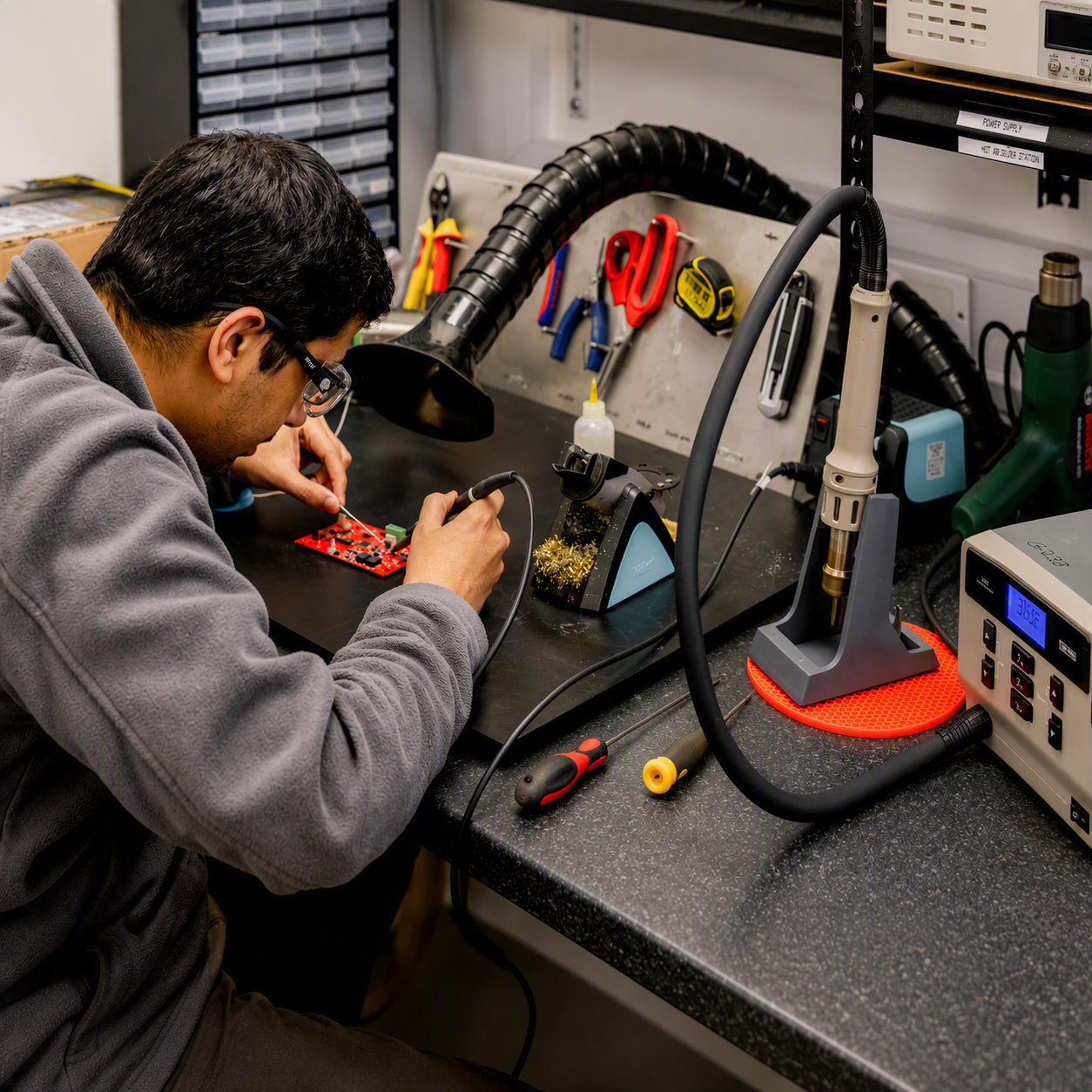
With a doctorate behind him, Zaheer leads PCB design, testing and documentation, as well as writing and verifying the embedded software that runs on Geosense PCBs.
👤 Karl | Senior Software Engineer
With more than 20 years’ experience, Karl works across app and software design, database management and development – turning ideas into practical digital solutions.
“The strength of the team comes from bringing these different disciplines together.”
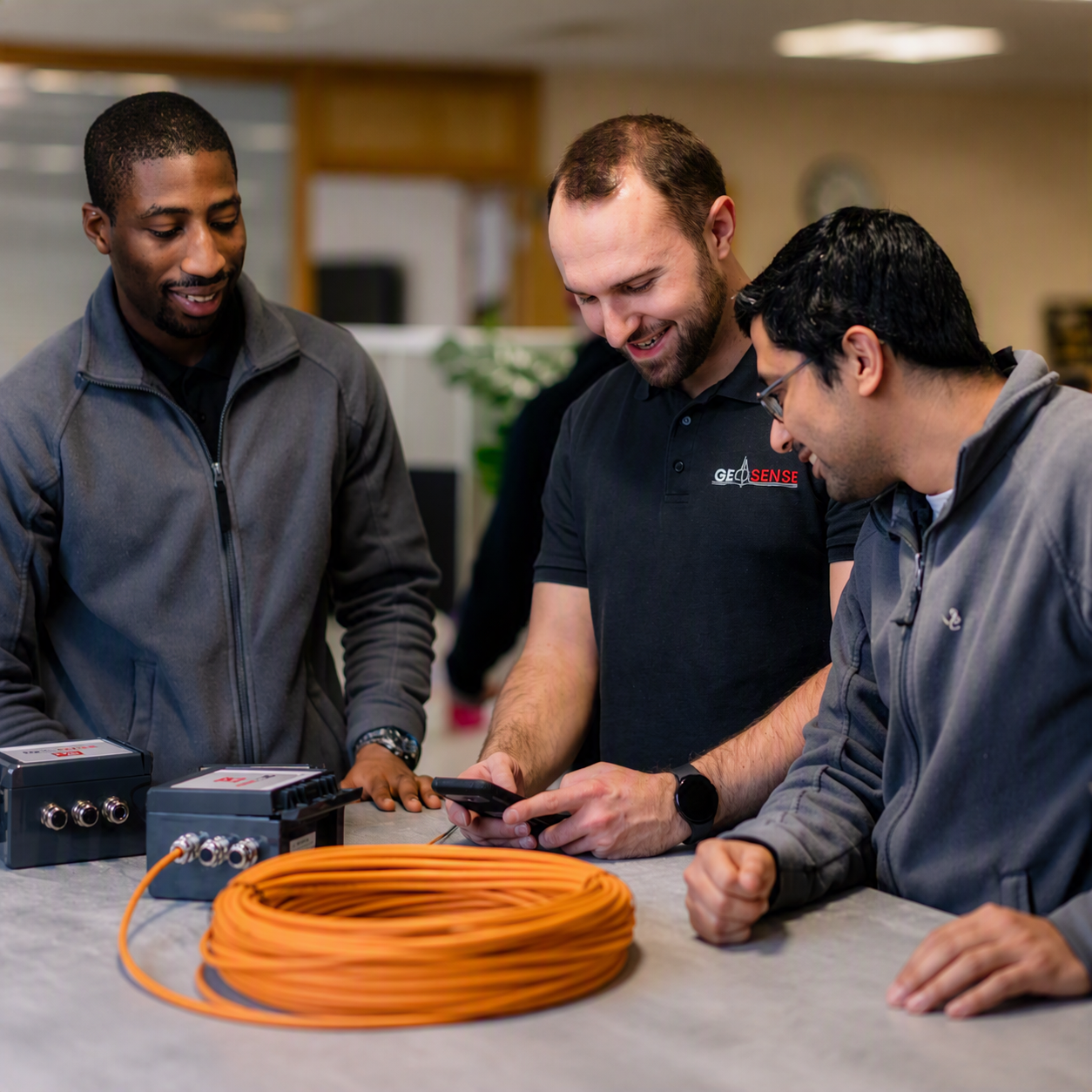
“Take our Portable Inclinometer as an example. It combines robust mechanical design, sophisticated internal electronics and an Android-based application that reads, saves and visualises the data.”


💡 From Idea to Instrument
Q: What does the journey from an initial product idea to a finished Geosense instrument look like?
It all starts with an idea. That might come from a market opportunity, customer requirement or the chance to improve an existing system. From there, the team scopes the project, defining the specification and timescales before moving through a structured development process.
Design. Testing. Cost analysis. Review.
And, inevitably, a few challenges along the way.
“No project is without challenges,” says Rob. “Solving those challenges often means working closely with other departments and drawing on the different expertise within the engineering team.”
Once a project is complete, the team reviews the process — not just to celebrate the successes, but to understand what could be done differently next time.
🎯 Designing for Real-World Challenges
Q: What inspired this latest range of products?
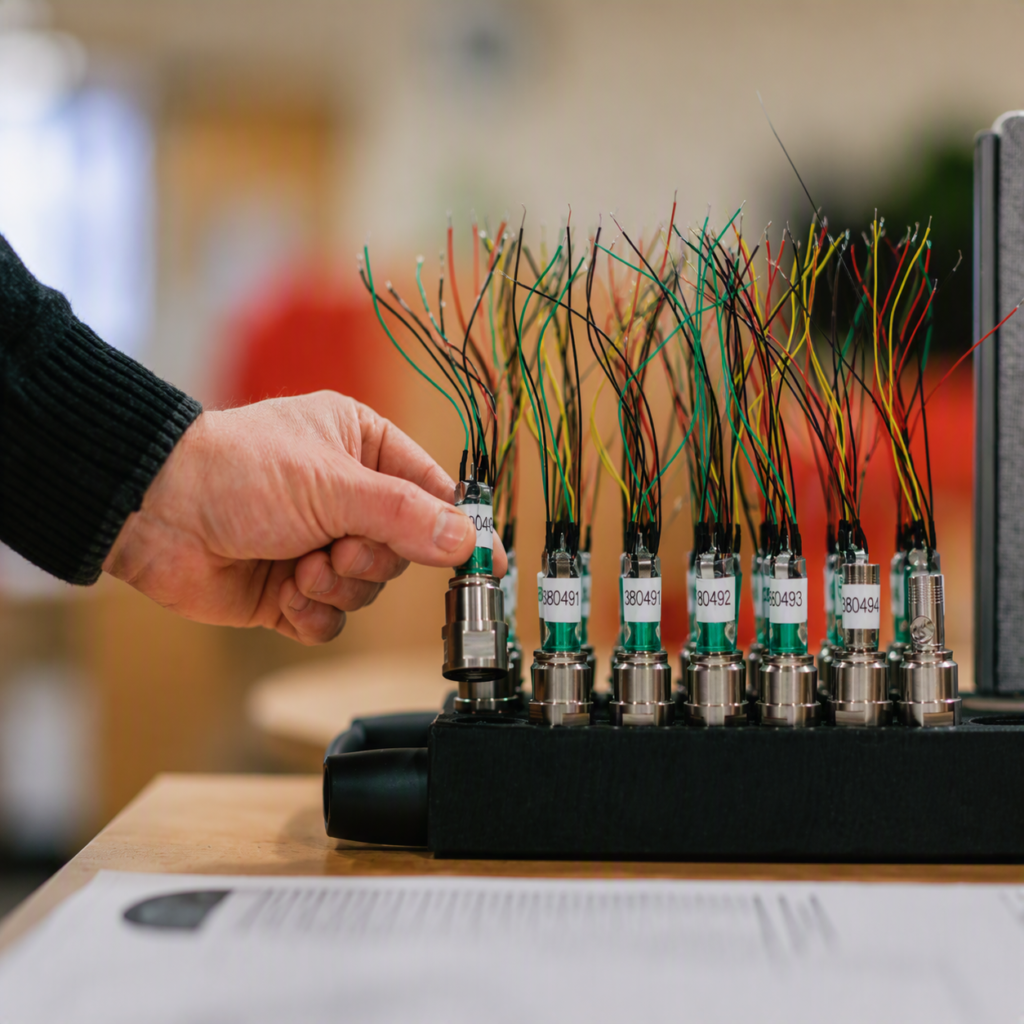
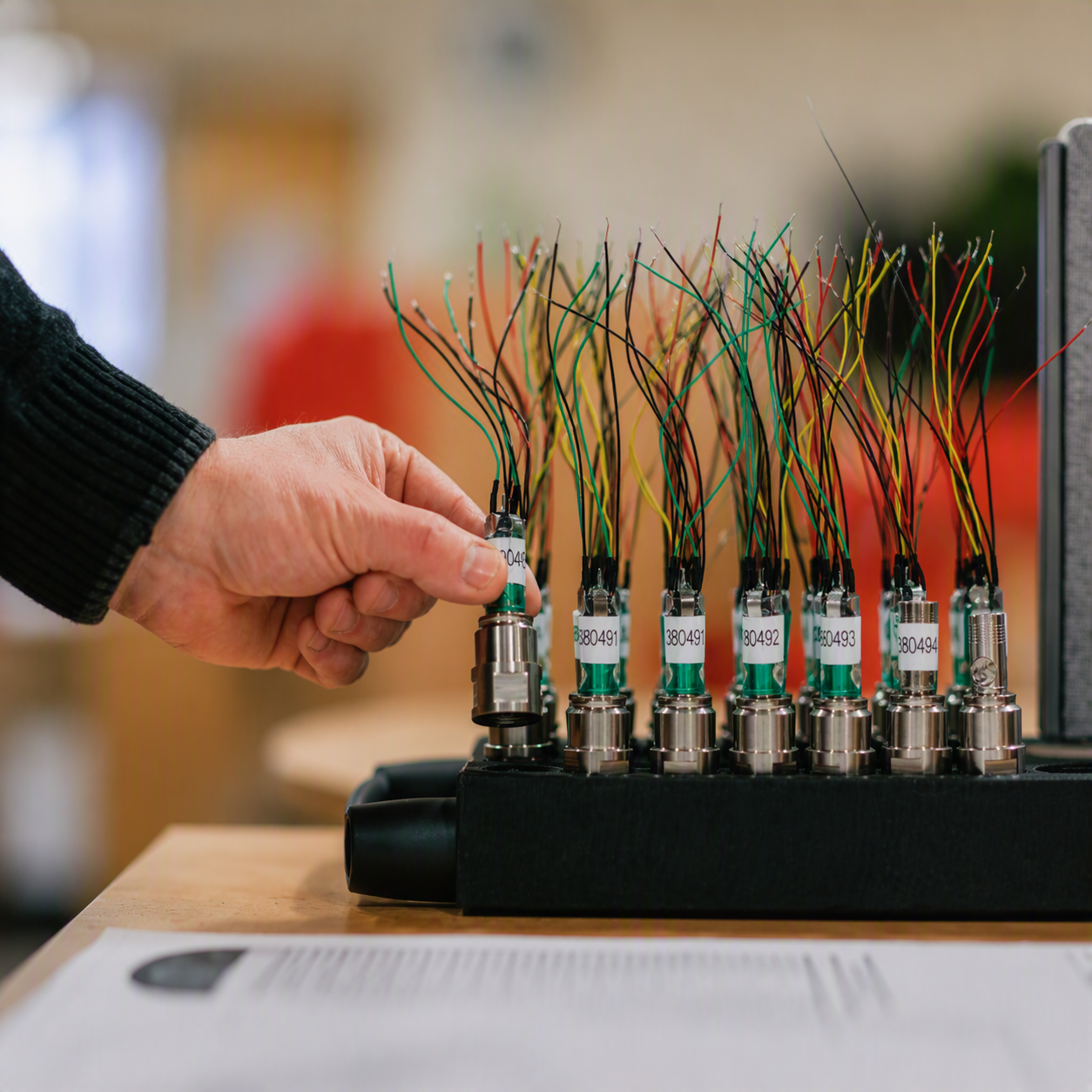
The latest range has one key objective: To provide customers with complete solutions that allow them to monitor safely and accurately. Understanding what customers actually need is a major part of that process, with the Engineering team working closely with Sales and Marketing to identify market requirements.
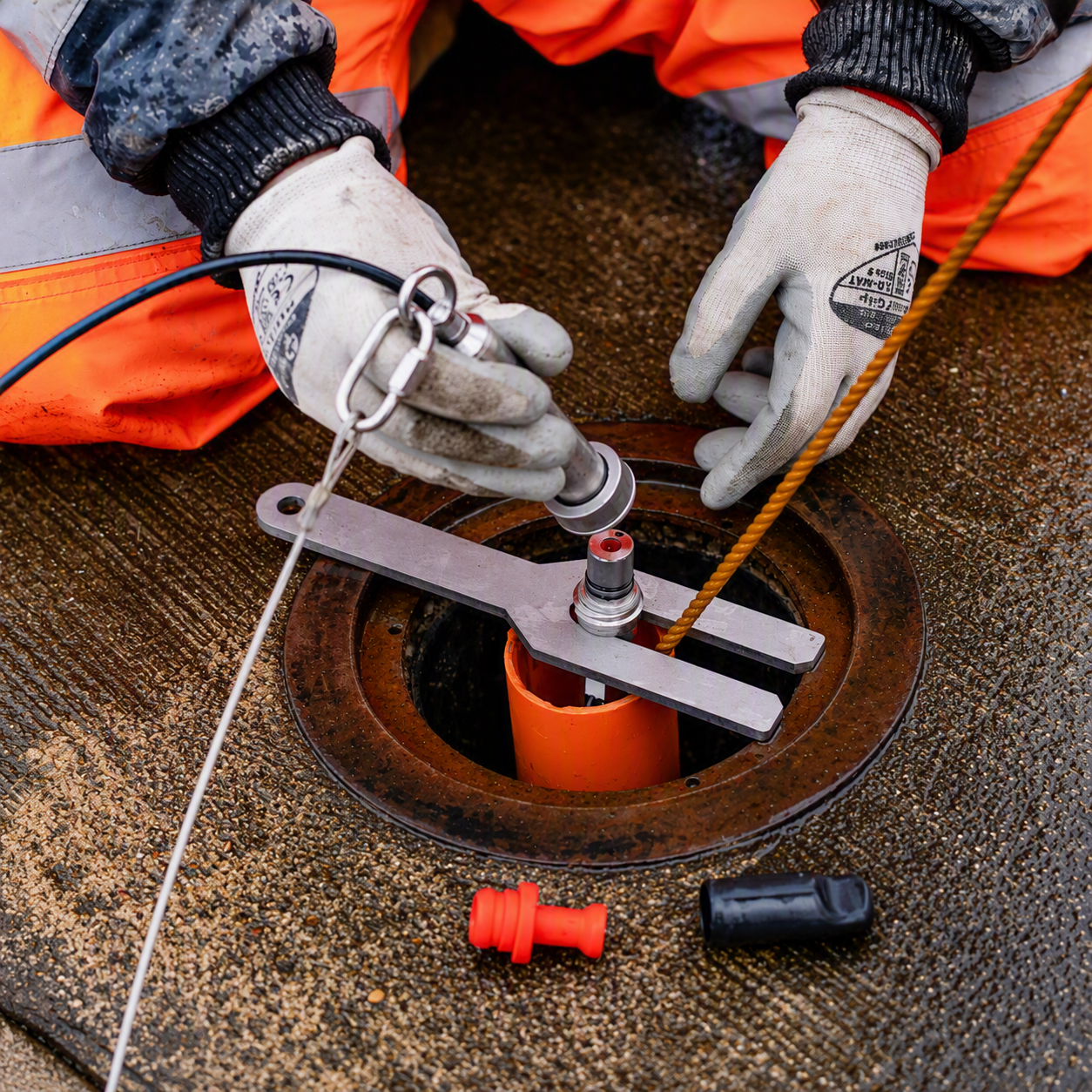
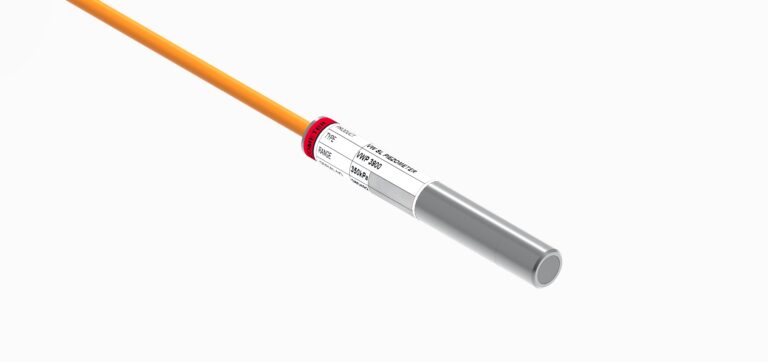
“A great example is the corrosion-resistant piezometer,” says Rob. ” Standard piezometers aren’t always suitable for harsh environments, so the team developed a solution specifically designed to operate in challenging conditions.”
The result? A product designed around a real-world monitoring challenge.
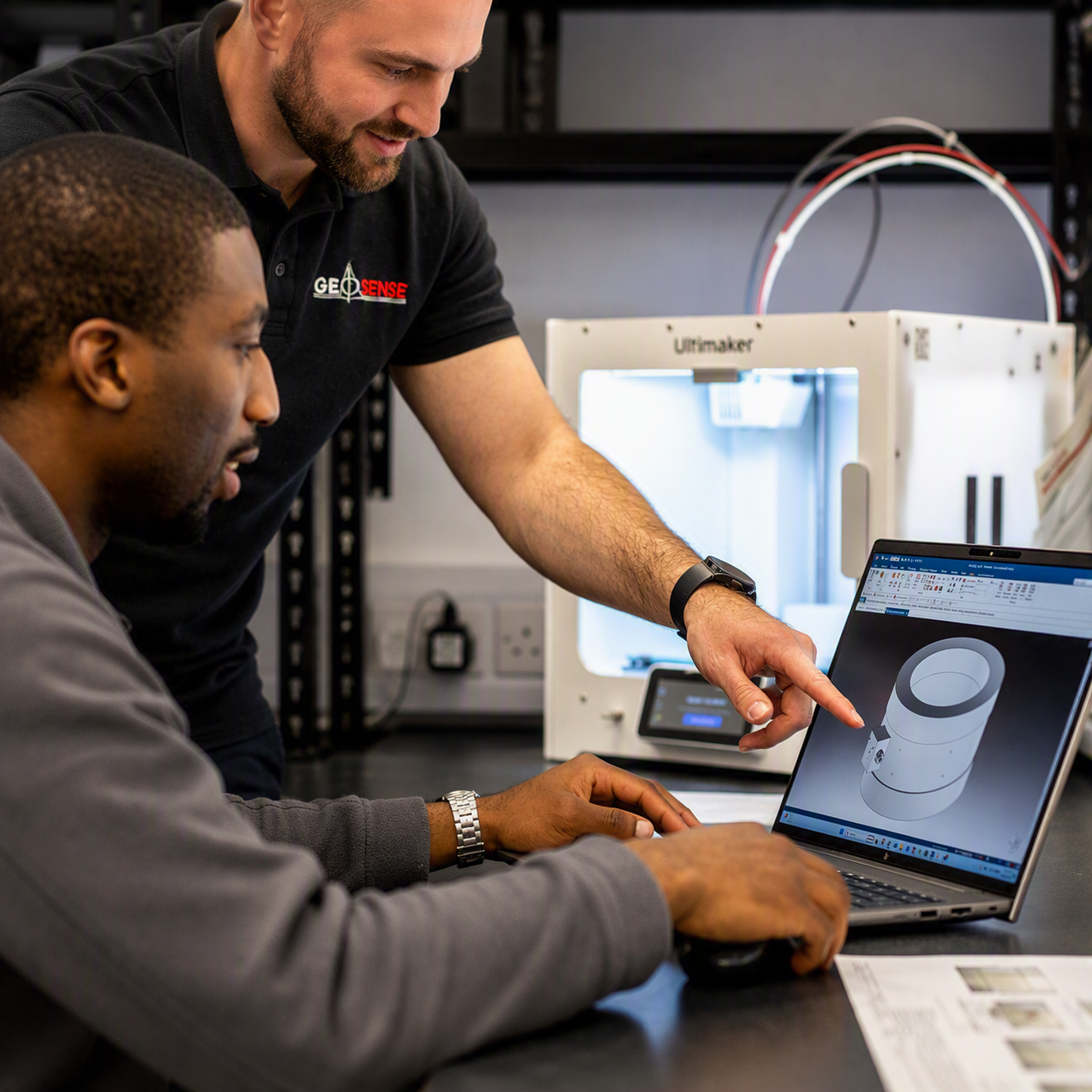
🏗️ Engineering for the Field — Not Just the Office
Q: How do you balance technical performance with the practical needs of engineers working in the field?
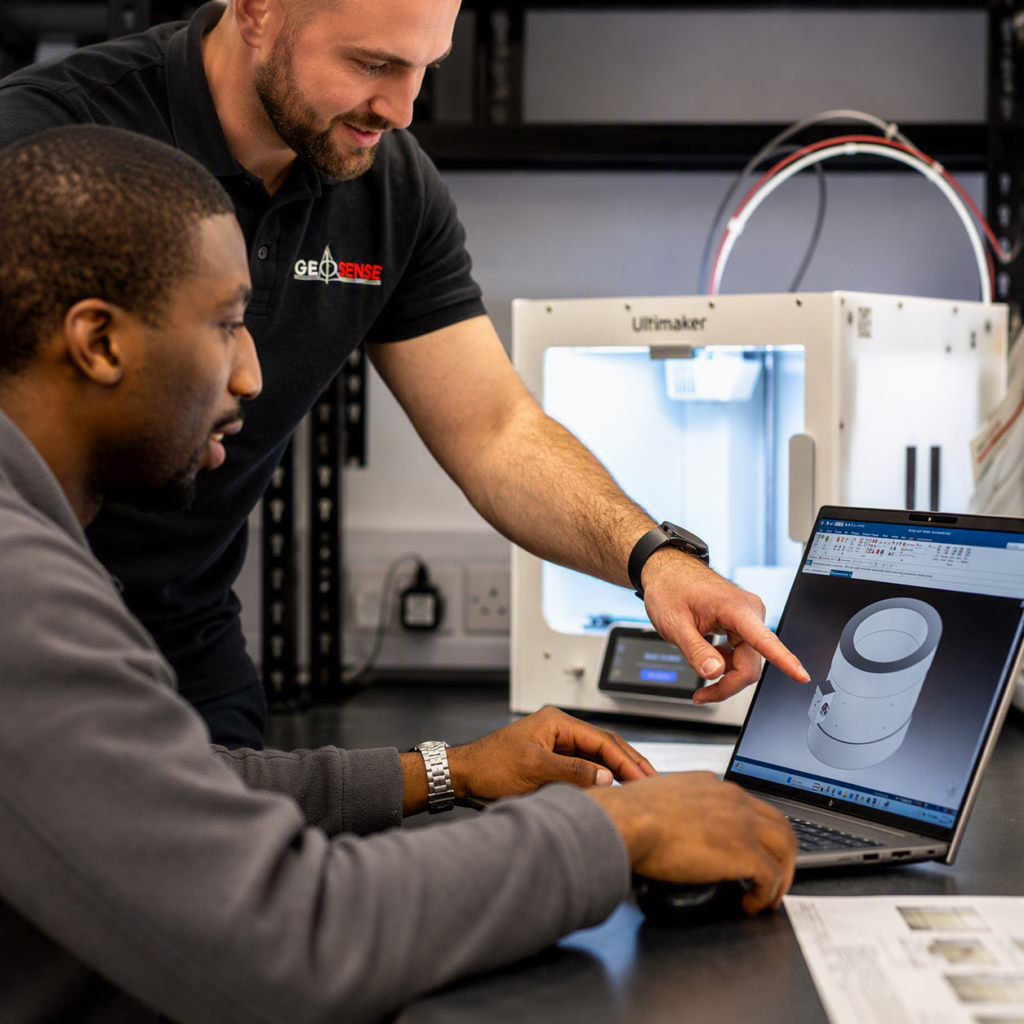
For Rob and the team, the question isn’t simply: “Does it work?” It’s: “How will this actually be used on site?”
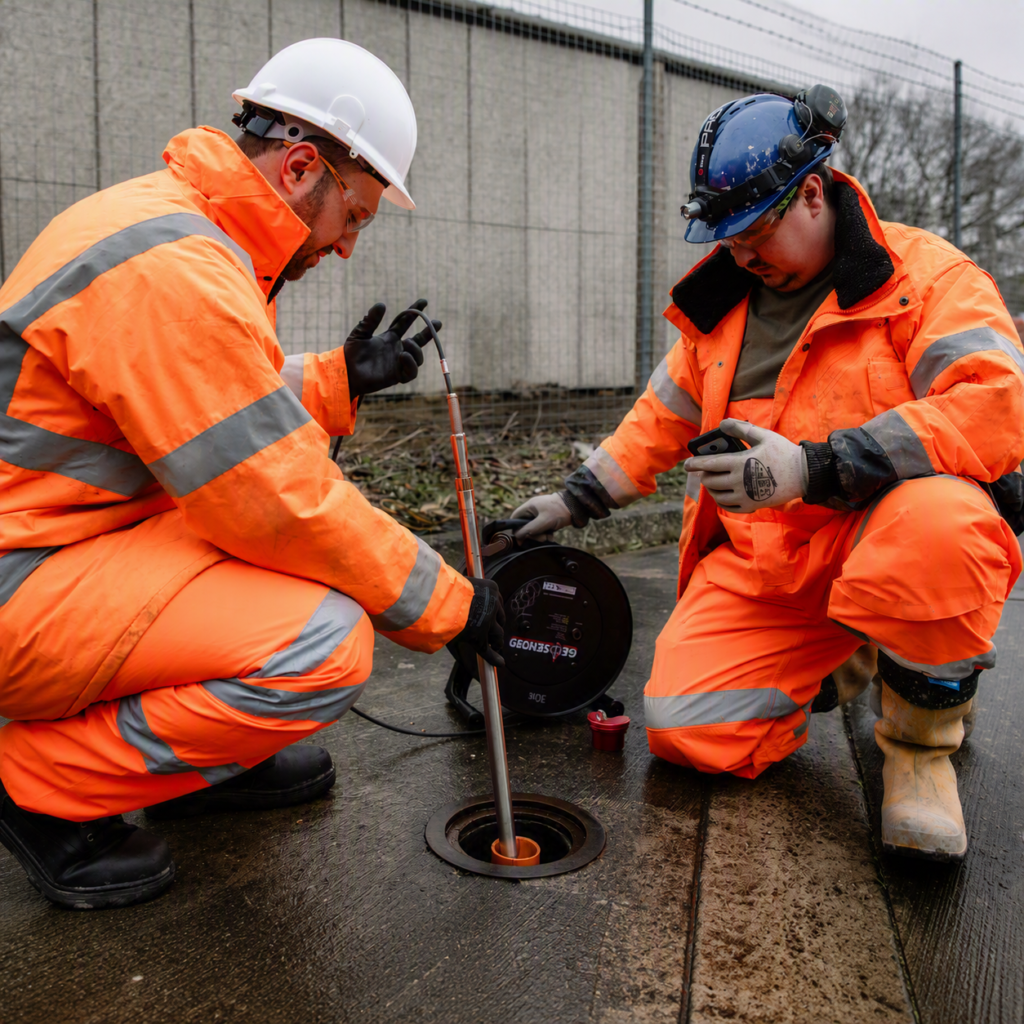
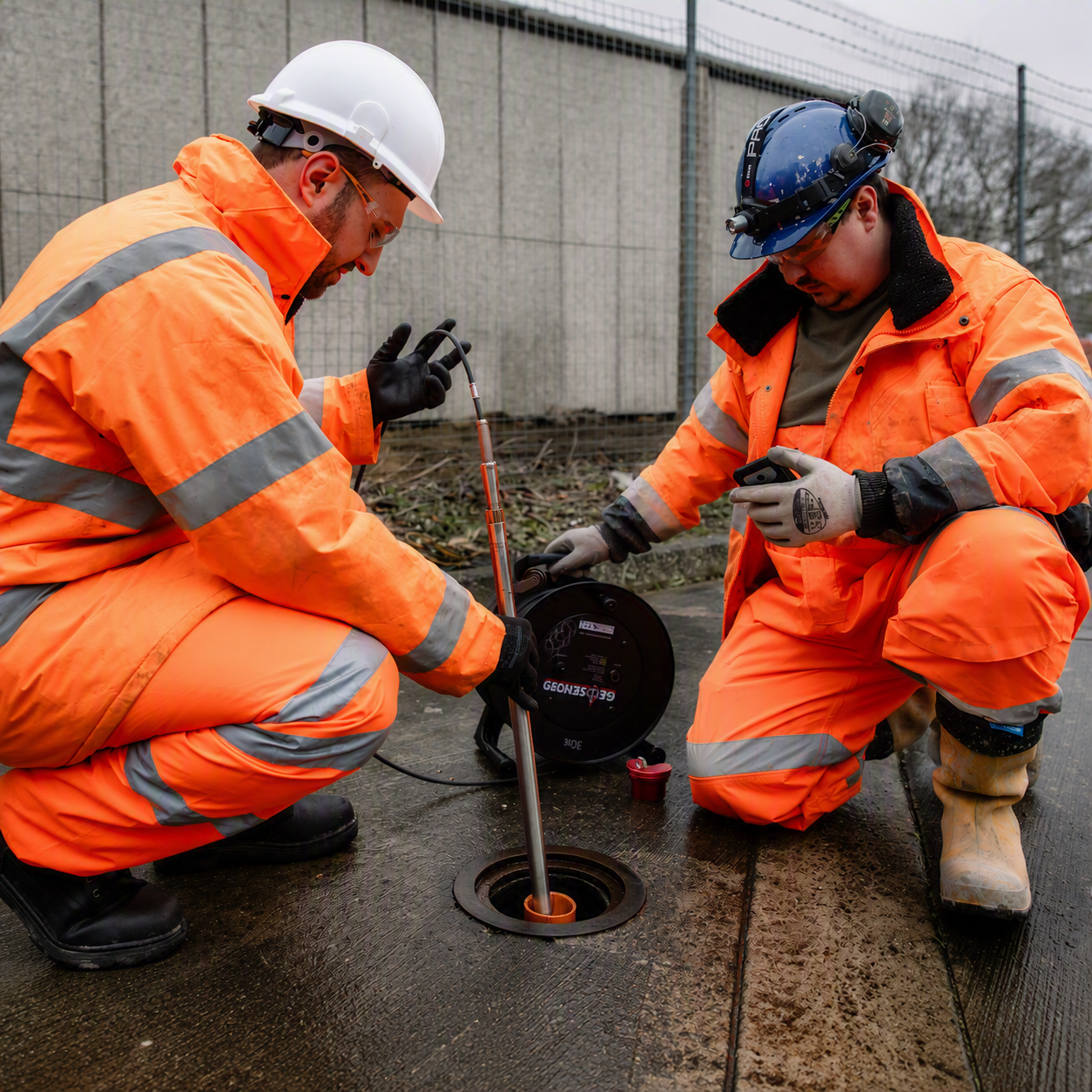
Throughout development, the team considers real-world applications, seeks feedback from engineers and Technical Support, and puts products through testing in realistic conditions.
This helps uncover the small details that can make a big difference when you’re working in challenging site conditions.
“It’s not just about developing something in the office. We need to understand how it performs when it matters”, says Rob.
💬 Listening to the People Who Use Our Products
Q: What role does customer feedback play in product development?
A huge one. Customer feedback helps the team understand how products are being used in the real world, and where improvements can be made.
Feedback is gathered before, during and after development, helping us refine products and identify opportunities for future innovation.
And the process doesn’t stop when a product launches. Geosense has a continual improvement process to ensure lessons from the field continue to feed into future development. Because the end of a project isn’t necessarily the end of the product journey.
🧩 When the Engineering Gets Really Challenging
Q: What are some of the biggest engineering challenges during development?
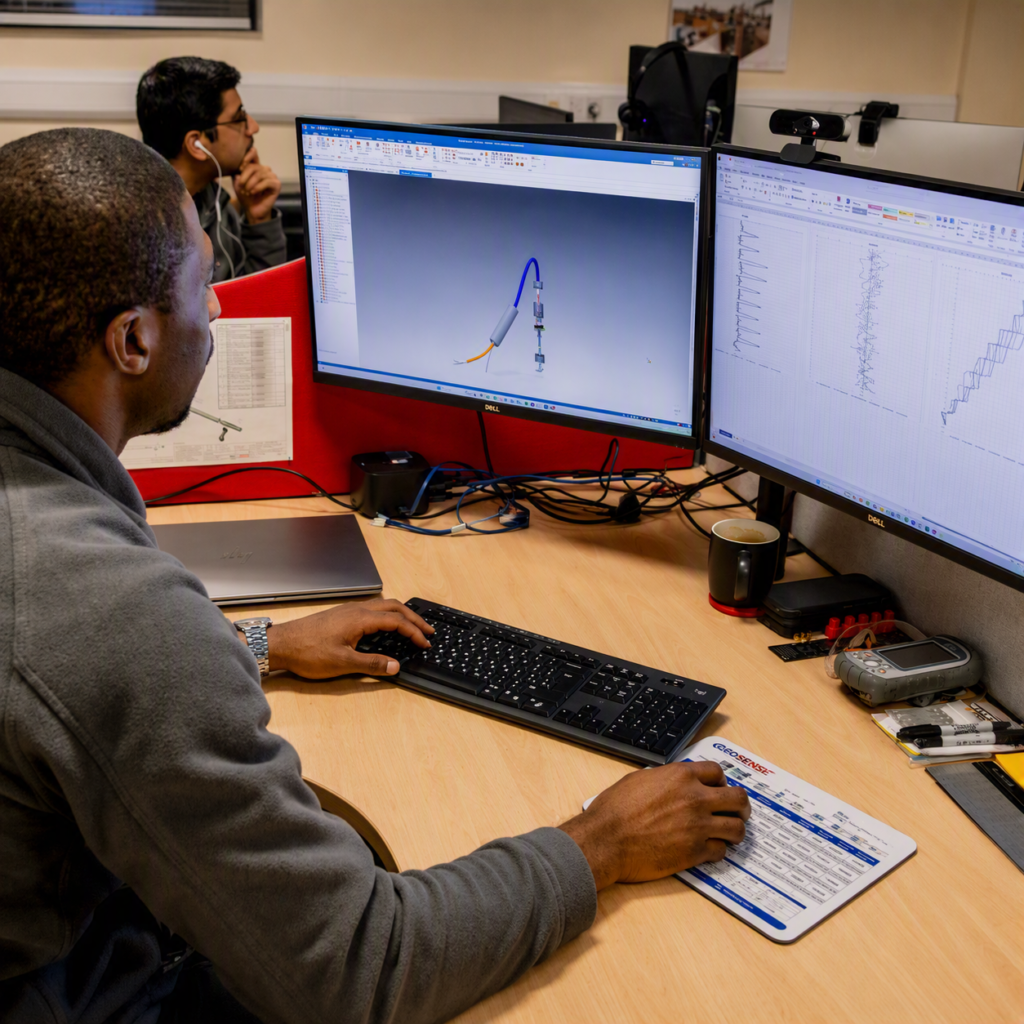
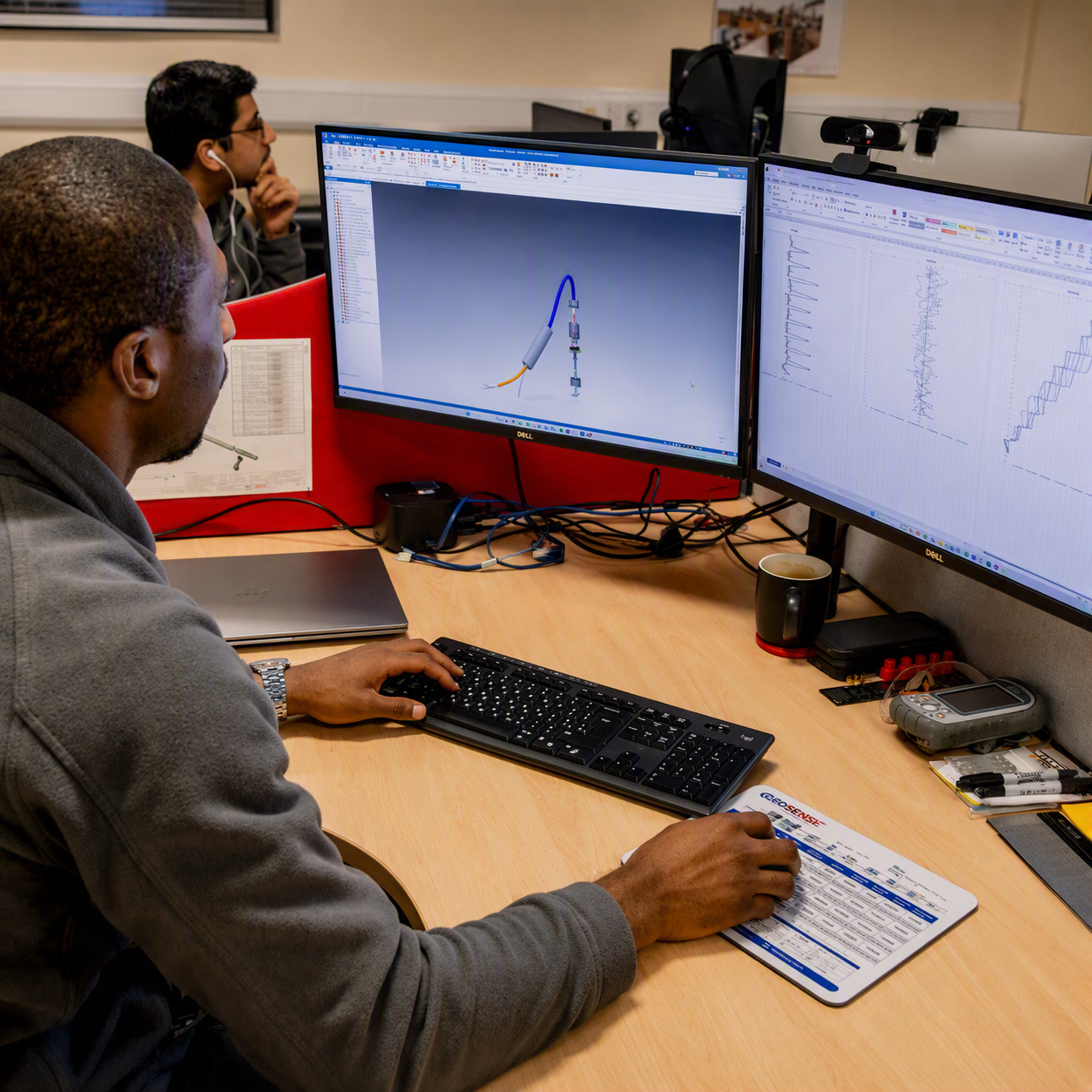
Rob explains that the biggest challenges come from the smallest details. One example was resonance in the development of the Weir Monitor.
As Geosense develops specialist vibrating wire products, solutions to very specific technical problems aren’t always readily available.
“The team had to use systematic problem-solving and engineering expertise to identify the cause and develop a long-term solution – without compromising the product specification.”
And then there are tolerances. During development of the Spiral Probe, the team needed to accurately measure rotation in inclinometer casing to 0.1°.
The challenge? A tolerance of just 0.01 mm could make the difference between a pass and a fail. It’s a reminder that in precision engineering, the smallest details can have the biggest consequences.
🔨 Break It Before the Customer Does
Q: What did testing teach you during development?
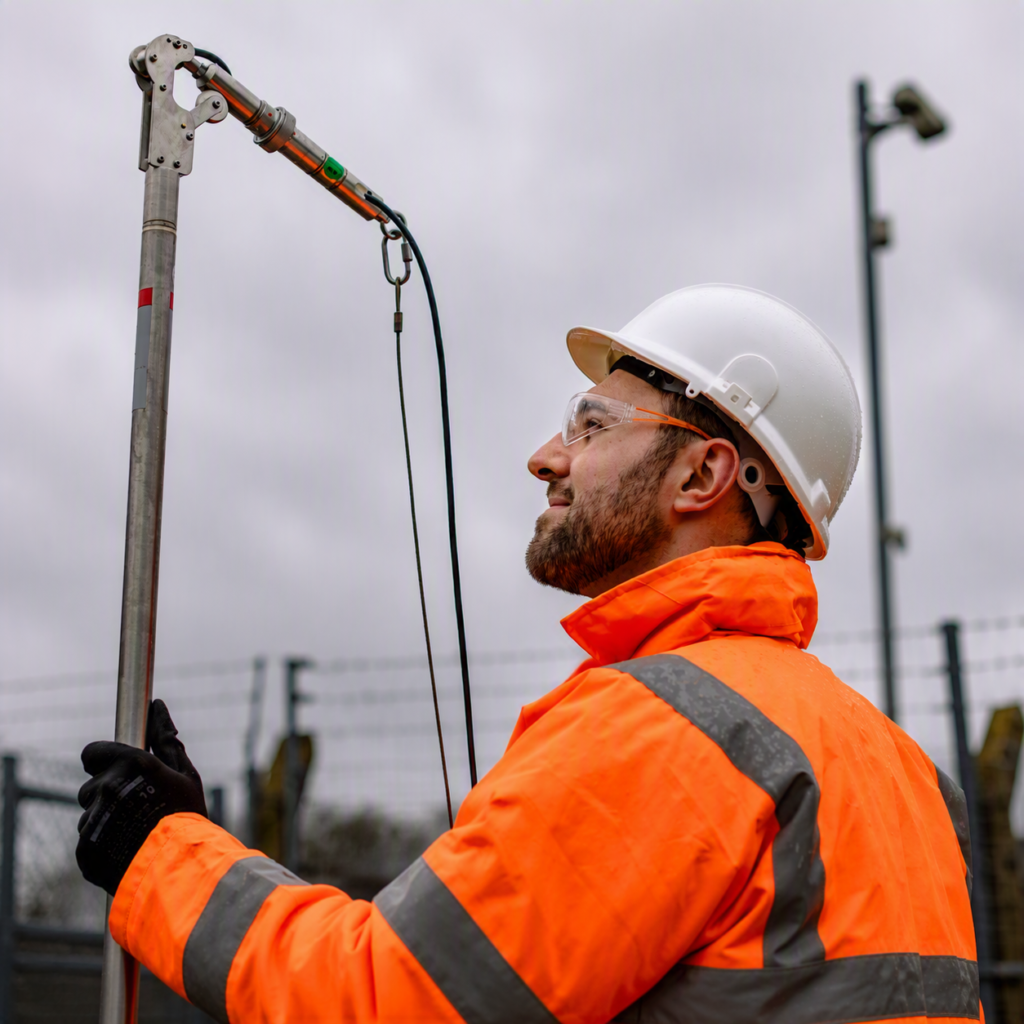
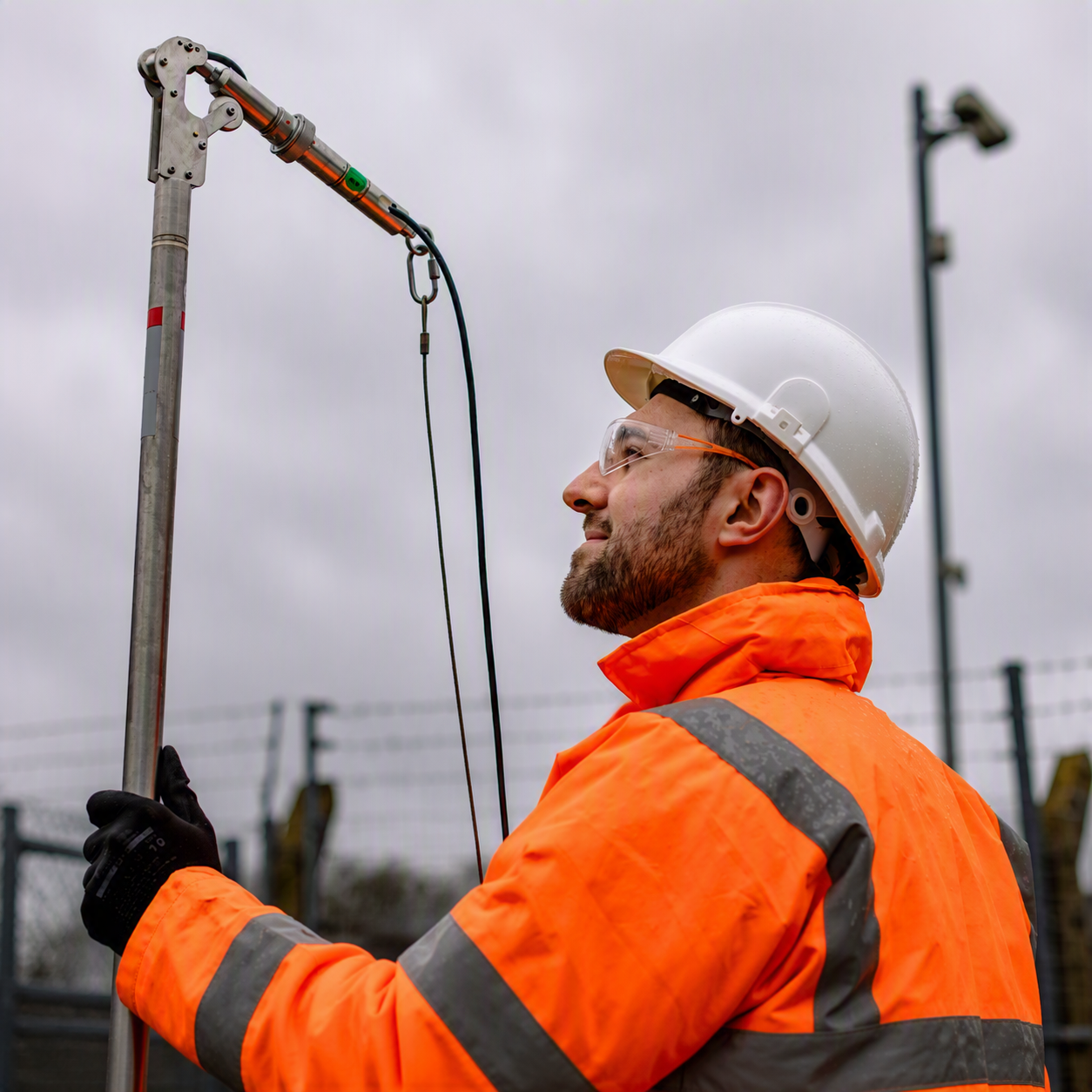
Testing isn’t simply about confirming that a product works. It’s about finding out how it could fail. The team deliberately pushes products to their limits, looking for potential weaknesses before they reach the customer. And Rob has a particularly useful skill for this:
“I have a reputation for being excellent at breaking things.”
It might frustrate the team at times, but that’s exactly the point. If something can be broken, the engineering team wants to find out before it reaches the field. That process ultimately gives the team greater confidence that the finished products can withstand the demanding environments in which they are used.
⚙️ What Makes a Geosense Product Different?
Q: What sets these products apart from other solutions available today?
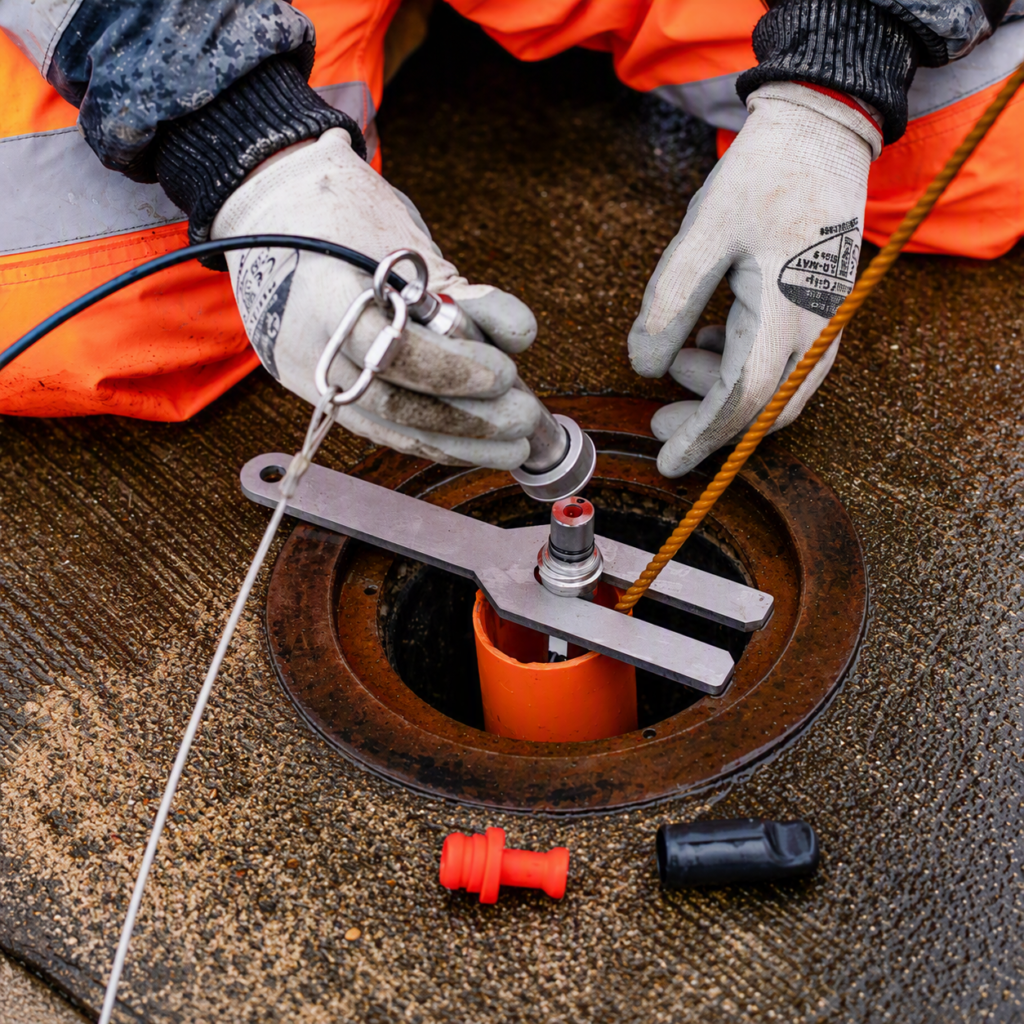
“Developing a product when other solutions already exist can actually be an advantage,” explains Rob. “The team can look at what’s already available, understand what works well, identify limitations and take the best elements forward.”
But it’s not simply about creating another version of an existing product. Geosense has a strong understanding of how its customers work and what they need from their monitoring systems. That allows the team to develop solutions around real-world applications, balancing:
Quality + Functionality + Practicality + Value
🏆 The Biggest Achievement?
Q: Looking back, what are you most proud of about this latest range?
For Rob, the answer is clear: The team.
“This range is a showcase of both individual and group talent.”
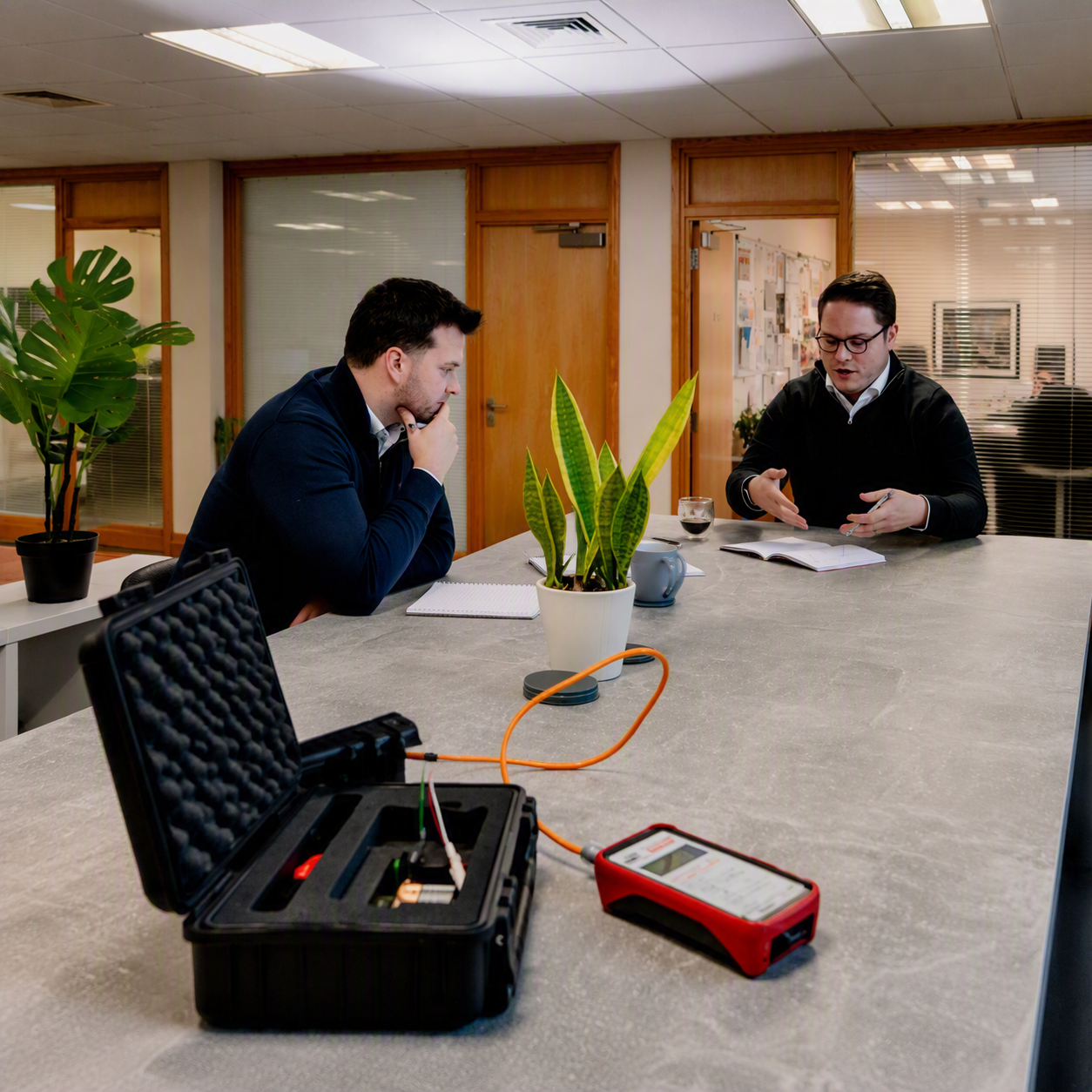
The latest products represent the combined expertise of the Engineering team, alongside the contribution of colleagues across Geosense. There were significant challenges along the way, but the team continued to find solutions, adapt and move forward. And ultimately, the goal is bigger than simply launching a new product.
🚀 So, What’s Next?
Q: What’s next for the Geosense engineering team?
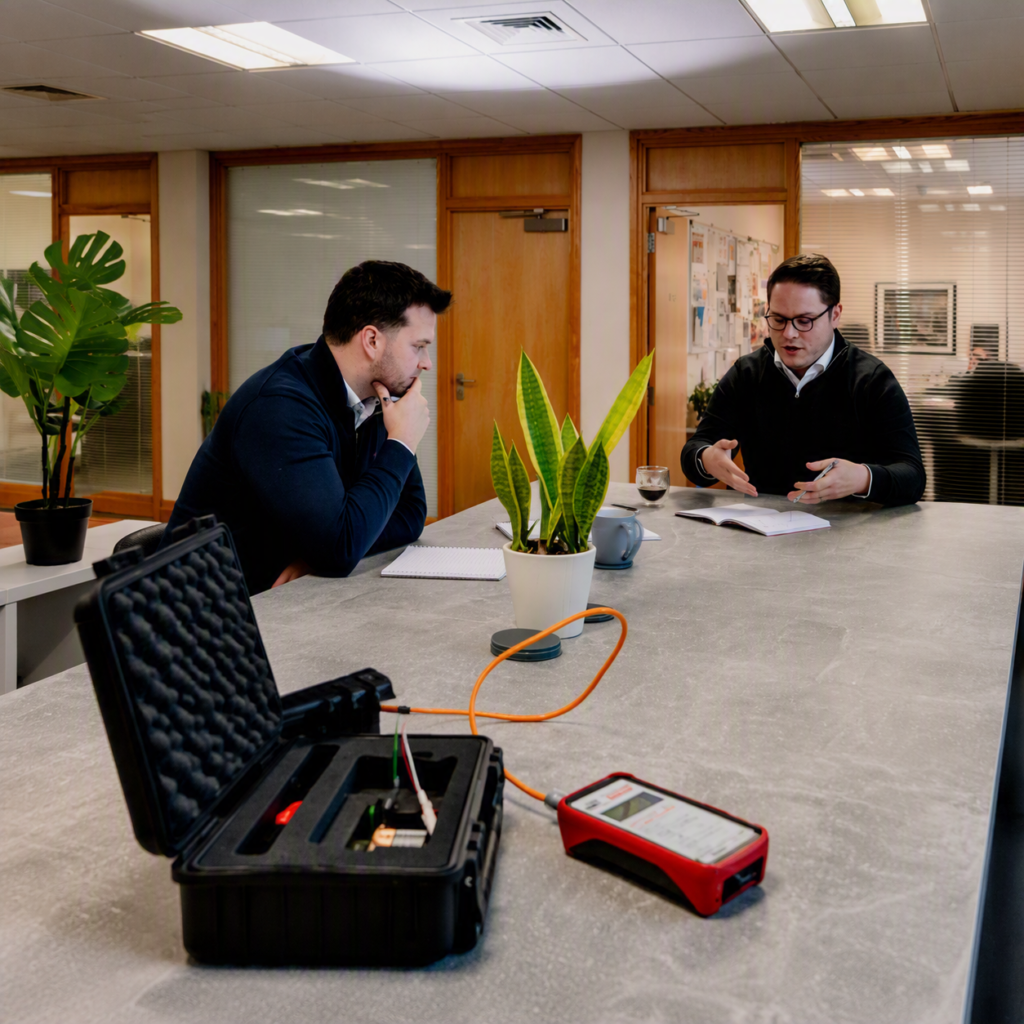
The team is already looking ahead. Several projects are currently underway, including innovations to existing products and projects focused on improving internal efficiencies.
But before moving forward, there’s another important step: Looking back.
“Reviewing completed projects, capturing lessons learned and understanding how those experiences can shape future development. Because innovation doesn’t stop when a product launches. It’s an ongoing process.”
🔧 Engineering the Future of Monitoring
From mechanical tolerances measured in hundredths of a millimetre to complex electronics, embedded software and real-world field testing, developing a monitoring instrument is anything but simple.
It’s a process built on expertise, collaboration, testing and continual improvement. And behind every instrument is a team committed to making it better.
That’s the engineering behind Geosense.
Page Contents
Share this article