JOIN GEOSHARE
Why Is Geotechnical Monitoring So Important for Mines?
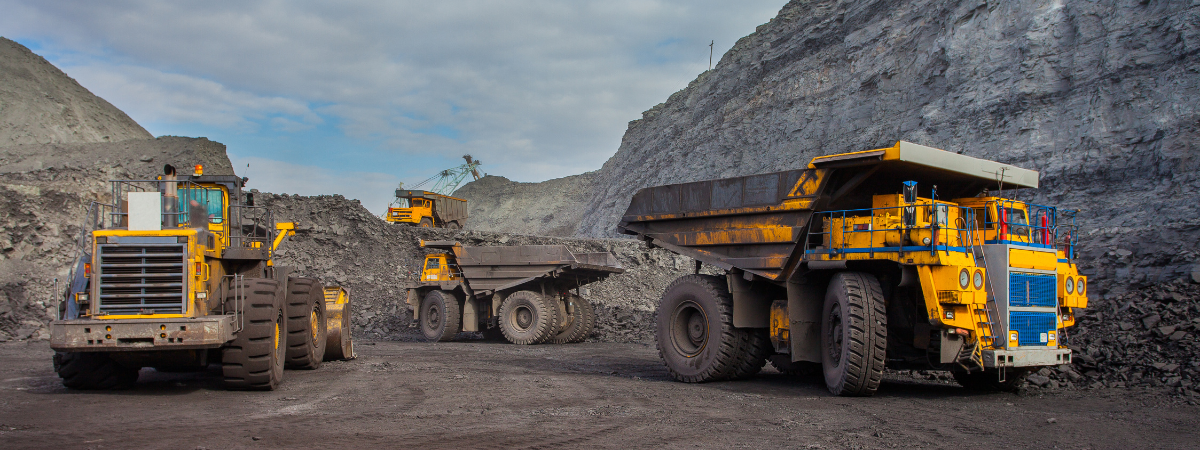
Mining is one of the most challenging engineering environments, with constantly changing ground conditions, water pressures, structural performance and operational risks.
As mines become deeper, slopes steeper and conditions evolve, understanding how the ground and infrastructure are behaving is essential for safe, efficient and informed decision-making.
This is where geotechnical instrumentation and monitoring plays a vital role.
By providing real-world data, monitoring helps engineers understand current conditions, identify developing risks, validate assumptions and make better decisions throughout the mine lifecycle — from feasibility and construction through to operation, expansion and closure.
Mining Is Built on Managing Risk
Every mining operation faces geotechnical risk, from:
- Slope instability and ground movement
- Rockfalls and settlement
- Changes in groundwater pressure
- Tailings facility instability
- Infrastructure deformation
- Seismic activity
The consequences can be significant — from production delays and equipment damage to environmental impacts and threats to worker safety.
Monitoring helps identify changes in ground and structural behaviour early, giving engineers the data they need to assess risk and act before issues escalate.

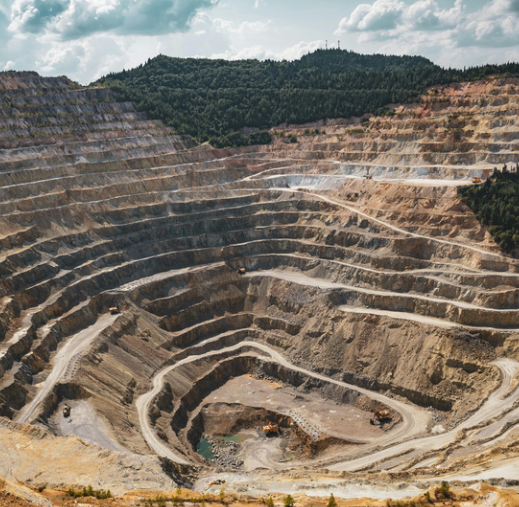

Understanding How the Ground Is Responding
Mine designs rely on geological models, geotechnical investigations, testing and engineering calculations to predict how the ground will behave.
Monitoring provides the opportunity to compare those predictions with real-world performance.
It helps engineers understand:
- Is a pit wall performing as designed?
- Are groundwater pressures behaving as expected?
- Is a waste dump settling appropriately?
- Are underground excavations affecting adjacent workings?
- Are support systems carrying the expected loads?
Monitoring bridges the gap between design assumptions and real-world ground behaviour.
Providing Early Warning of Slope Instability
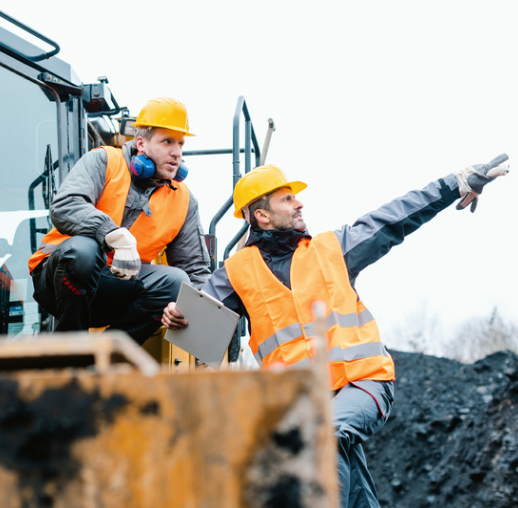
Slope stability is one of the most important applications of geotechnical monitoring in mining.
Open pit slopes are exposed to changing groundwater conditions, weather, blasting and stress redistribution, all of which can influence stability.
Failures are often preceded by warning signs, including:
- Increasing deformation and displacement
- Accelerating movement rates
- Rising pore water pressures
- Changes in crack patterns
- Altered stress conditions
Monitoring helps engineers identify and investigate these changes early, providing time to adjust operations, restrict access, implement mitigation measures or adapt mine plans.
Ultimately, effective monitoring can help reduce safety risks while minimising costly production disruption.
Managing Groundwater & Pore Water Pressure
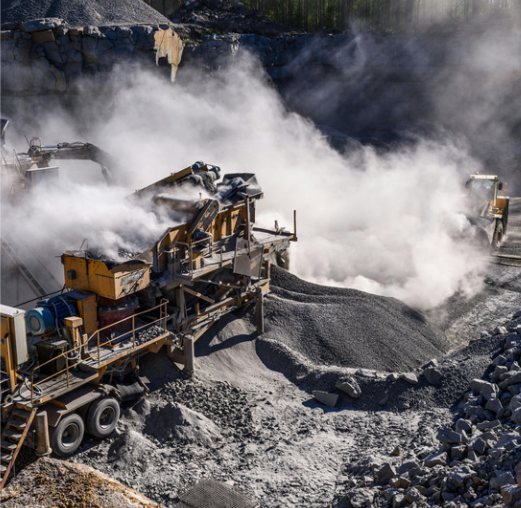
Water plays a critical role in mine stability. Changes in groundwater and pore water pressure can influence soil and rock strength, slope stability, tailings facilities and waste storage structures.
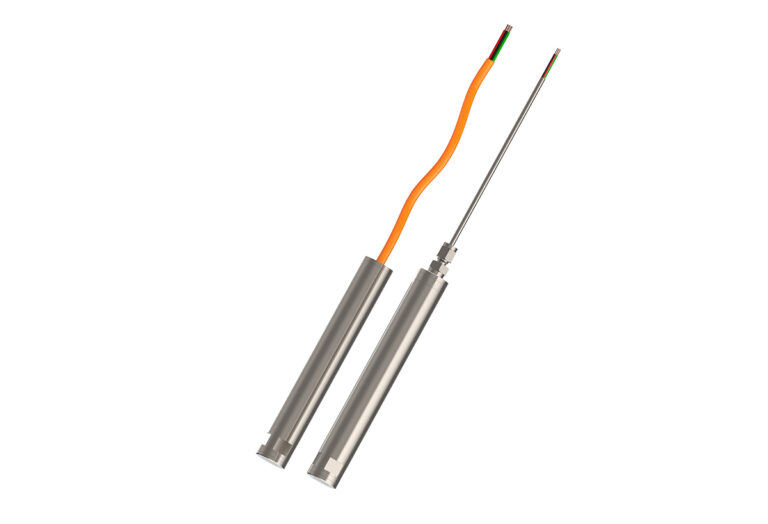
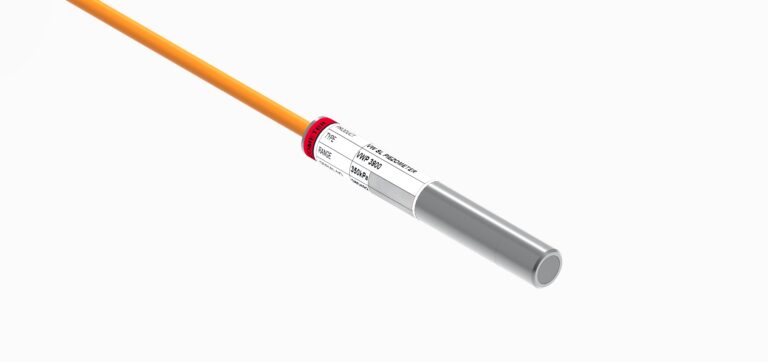
This is where piezometers can provide valuable insight by monitoring:
- Groundwater levels
- Seepage conditions
- Drainage performance
- Changes in pore water pressure
By understanding how water conditions are changing, engineers can make more informed decisions around dewatering, drainage and slope management.
Reliable groundwater data helps turn an otherwise hidden risk into measurable, actionable insight.
Protecting Tailings Storage Facilities
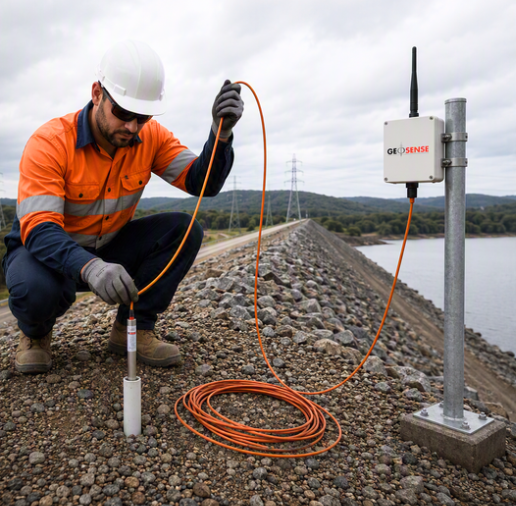
Tailings storage facilities are among the most closely monitored assets in modern mining, with increasing focus from regulators, insurers and mine owners on geotechnical performance and safety.
Monitoring can provide insight into:
- Pore water pressures
- Embankment movement
- Settlement and deformation
- Water levels
- Seepage conditions
The objective goes beyond compliance. It’s about understanding how the facility is performing, identifying trends and recognising changes that could indicate increasing risk.
For high-consequence assets, reliable monitoring data provides critical insight for ongoing safety management and informed decision-making.
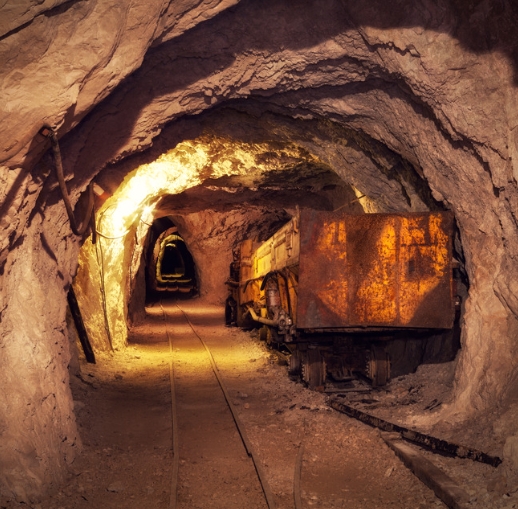
Supporting Safer Underground Mining
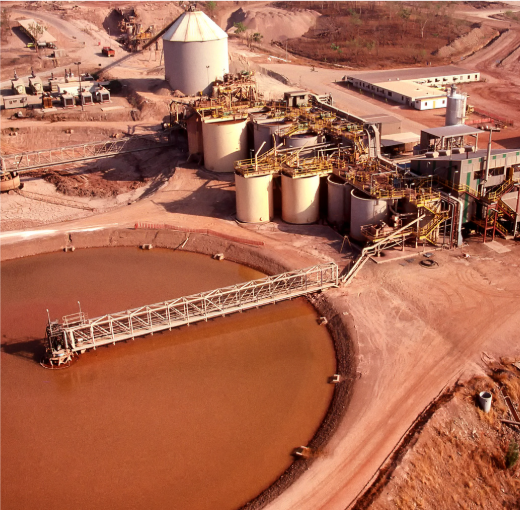
Monitoring is just as important below ground, where deeper and expanding excavations can significantly alter stress conditions within the rock mass.
Instrumentation can help track:
- Ground movement
- Rock mass deformation
- Support performance
- Stress changes
- Convergence
- Water ingress
This data helps engineers assess excavation stability, verify support performance and identify abnormal behaviour early.
Ultimately, monitoring provides greater visibility of changing underground conditions — helping reduce risk to people, equipment and operations.
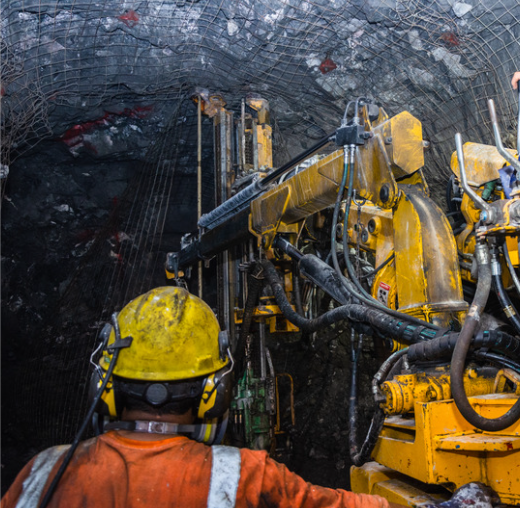
Improving Productivity & Operational Efficiency
Monitoring is often seen primarily as a safety tool, but reliable data can also help improve how a mine operates.
Monitoring insights can help mine operators:
- Optimise slope angles
- Validate design assumptions
- Refine construction methods
- Improve maintenance planning
- Reduce unnecessary conservatism
- Maximise asset utilisation
By understanding how the mine is actually performing, operators can make better-informed decisions, improve productivity and reduce unnecessary costs — while maintaining acceptable risk levels.
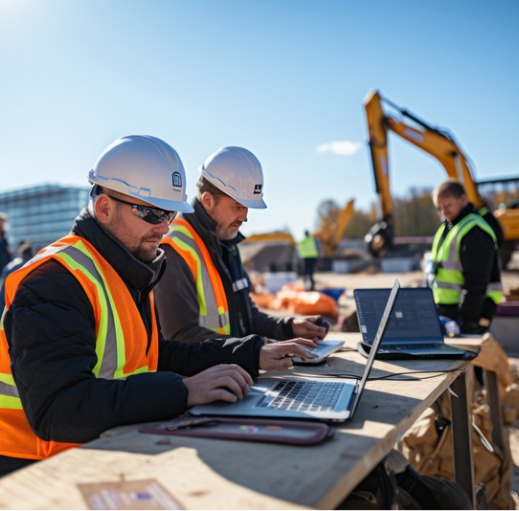
Supporting Regulatory & ESG Requirements
Mining companies face increasing scrutiny from regulators, investors, communities and environmental stakeholders.
Reliable monitoring data can support:
- Regulatory compliance
- Dam and tailings safety programmes
- Environmental management
- Independent geotechnical reviews
- Risk management frameworks
- Closure and rehabilitation planning
As ESG expectations continue to evolve, robust monitoring provides the evidence needed to demonstrate responsible asset management, environmental performance and ongoing risk management.
Why Automated Monitoring Is Growing in Mining
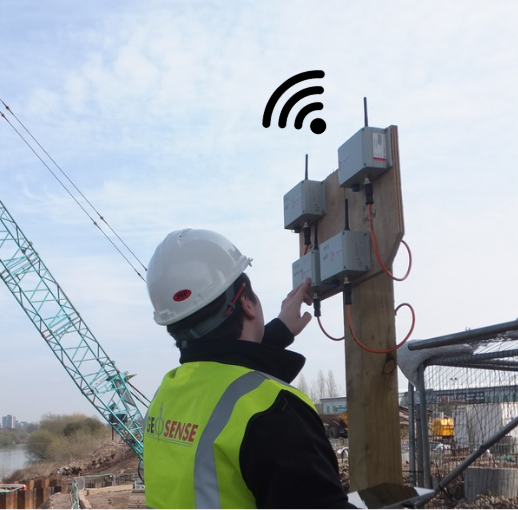
Mining monitoring has traditionally relied on manual readings and periodic inspections. Increasingly, automated systems are providing a more continuous view of changing site conditions.
Automated monitoring can deliver:
- Near real-time data collection
- Remote access to monitoring data
- Continuous monitoring of critical assets
- Faster identification of changing conditions
- Automated alarms and notifications
- Reduced reliance on site attendance
For large, continuously operating mines, this can significantly improve risk management, operational awareness and response times.
Instead of waiting for the next scheduled reading, engineers can see changes as they develop and respond accordingly.
Monitoring Throughout the Mine Lifecycle
Monitoring provides value at every stage of a mine’s lifecycle — from initial investigation through to closure.
🔎 Feasibility & Site Investigation
Establish baseline conditions and build a clearer understanding of the site.
🏗️ Construction
Verify construction performance and identify unexpected behaviour.
⛏️ Operations
Support slope management, groundwater control, infrastructure performance and operational safety.
🌱 Closure & Rehabilitation
Demonstrate long-term stability, assess rehabilitation and support ongoing environmental obligations.
The need to understand asset behaviour doesn’t end when production stops.
Conclusion
Mining environments are complex, dynamic and inherently uncertain.
Geotechnical monitoring provides the data needed to understand how ground, structures and critical assets are behaving throughout the life of a mine.
From pit slopes and underground workings to groundwater, waste dumps and tailings facilities, monitoring plays a vital role in managing risk, improving safety, supporting operations and protecting valuable assets.
Ultimately, it allows mining companies to move beyond assumptions and make decisions based on evidence.
And in an industry where safety, productivity and sustainability are critical, that insight is invaluable.
Page Contents
Share this article