 JOIN GEOSHARE
The importance of installation – Part 3 of 6 Ways to improve your I&M

So in the first two blogs in this series, we understand the questions we are trying to answer, what we are measuring to answer them, and engaging with specialists to help answer these questions in the most efficient way.
In this blog we will be exploring one of the most important aspects of getting great monitoring data, to answer the questions we need. That’s right…. Installation!!


Benjamin Franklin is attributed to the famous quote:
By failing to prepare you are preparing to fail
No truer is this quote when it comes to the installation of instrumentation and monitoring. With a lot of sensors in our industry, you either have one shot at installing, or a narrow window to obtain the data you need.
I think we have all experienced the results of poor installation, the TV that fell off the wall/shelf with that prize vase, or even the uneven patio that you trip over every weekend. However, before you took on these “projects” did you really take the time to read the instructions and understand the installation method before drilling that hole, or preparing the subbase? I’ll be the first to admit that I have nailed the back of a wardrobe onto the front!
Get to know your sensor
It is incredibly important that the first time someone is installing the sensor should not be the first time they have seen it.
Often, we speak to technicians who are sent to site to install a sensor they have only just seen without the manual in hand. We understand how this happens, time is always tight but understanding the key aspects of installation can save you a lot of time and heartache, and also ensure that you get great quality data that answers the questions we need clarity on.
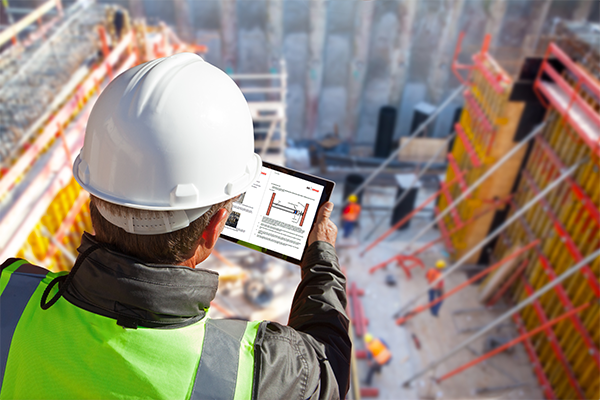
Key tips and tricks for every installation
So we’ve all understood the manual, and we are ready to get installing. Here are some key tips and tricks for every installation that are good to keep at the front of mind, and help reduce the questions should data not be as expected!!:
- Zero readings – Treat them like young children. Keep them safe and know where they are at all times! I really cannot stress this one enough!!
- Location – Are they installed in the correct place? The right depth, the correct orientation, etc etc
- Functionality – Were they working when they were installed? More importantly, was this documented?
- Sensor specific – All sensors are slightly different, so it is important to understand any sensor/application-specific steps
As with all key aspects in a process, the above steps should be controlled and checked to ensure they meet the requirements for the application and methodology.
Justify the value When it comes to installation, it is also good to consider the value of the installation you are overseeing/installing. Well-installed, functioning I&M offers great value for money. However, poorly performing, confusing, or incorrect I&M is 100% a waste of time and money.
Once you realise the data does not answer the geotechnical question you need to answer, it is too late.

Summary
So that wraps up the third instalment of the 6 ways to improve your I&M.
Remember:
- The importance of installation in obtaining great quality data that answers the geotechnical questions you need to answer.
- Data is a tool, and therefore everyone should have an interest in getting great-quality data.
- Remember to ask questions, understand the process & document the process.
Page Contents

Share this article


