 JOIN GEOSHARE
Embrace the benefits of Monitoring- Part 5 of 6 Ways to Improve your I&M

Monitoring Matters
Now we know the questions to answer, how to answer them, who to help us and what to do when discussing the data. It’s time to move on to our favourite subject, the benefits of monitoring!! A topic we are very passionate about because we genuinely believe that monitoring matters.
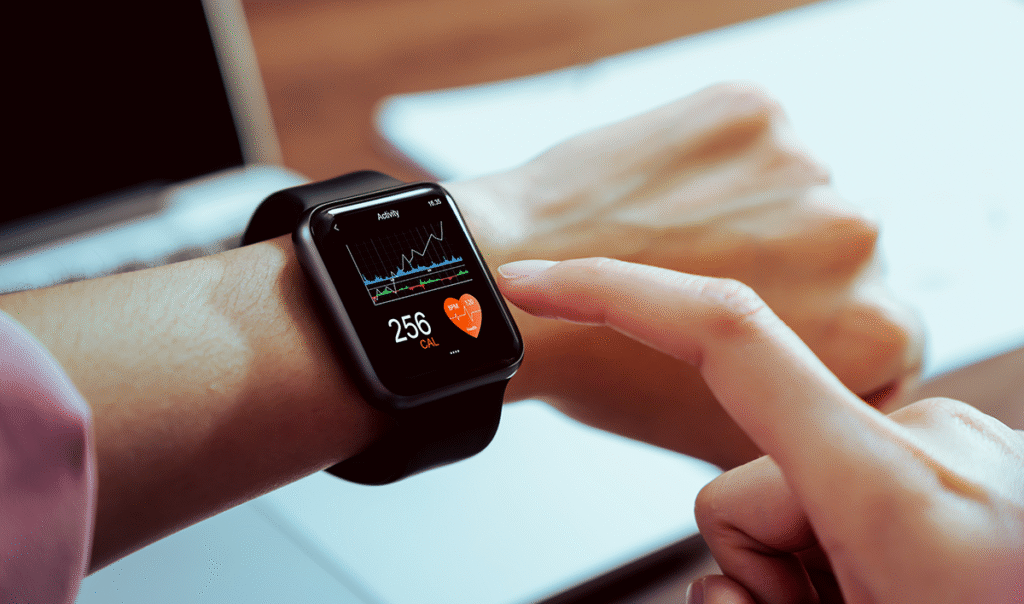
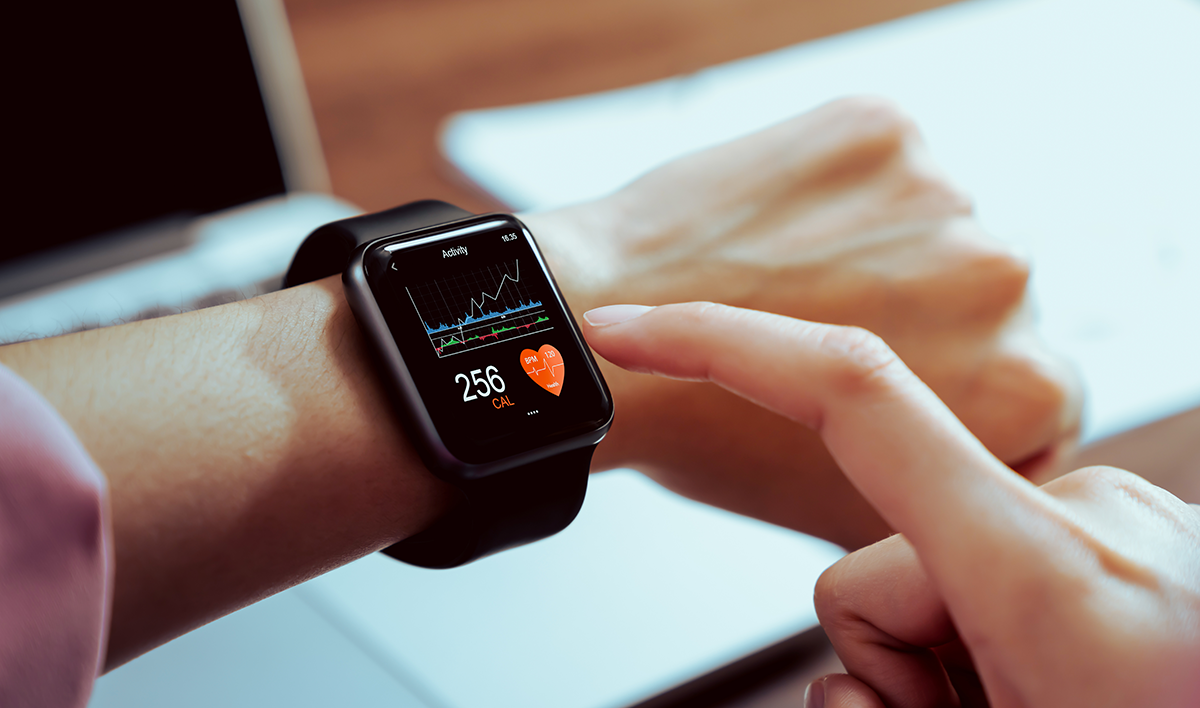
So let’s begin with a pop quiz! What do you think offers the following and is battery powered?
- Multi-parameter sensing
- Live feedback
- Alerts against changes/dangerous situations
- Trend analysis
- Can send SMS’s
A smartwatch? An electric car? No, instrumentation and monitoring.


Benefits of Monitoring
On top of those specific examples, monitoring brings a host of extra benefits such as:
Well-understood technology – Instrumentation and monitoring have been being performed for over 50 years. The technology and applications are well understood with comparable long-term trend data.
Direct risk mitigation – Instrumentation and monitoring data can be used to predict or identify when something is likely to happen. This means that mitigation works can be done before, or valuable assets can be protected. With modern techniques, including remote data transmission, engineering teams can know earlier to act faster.
Increased safety – Whilst monitoring can protect assets and people from failure by raising the alarm, it can also increase the factor of safety for many of our projects. If we know earlier that multiple parameters are affecting the question we are trying to answer we can implement safeguards to increase safety.
Simple to install – Compared to some construction monitoring or techniques instrumentation and monitoring is relatively simple to install. This means that good quality data, where you need it, is easier than you may think. We have covered the key to successful installation in our other blogs in the series.
Long-term benefits – Whilst we have been talking about direct risk mitigation from a safety point of view, there are also the long-term benefits of not only mitigation of long-term risk or change in your assets but also in subsequent design refinement into the future. We can use the data we learn on our projects to refine designs moving forward leading to a higher-performing structure and the potential for more efficient resource use.
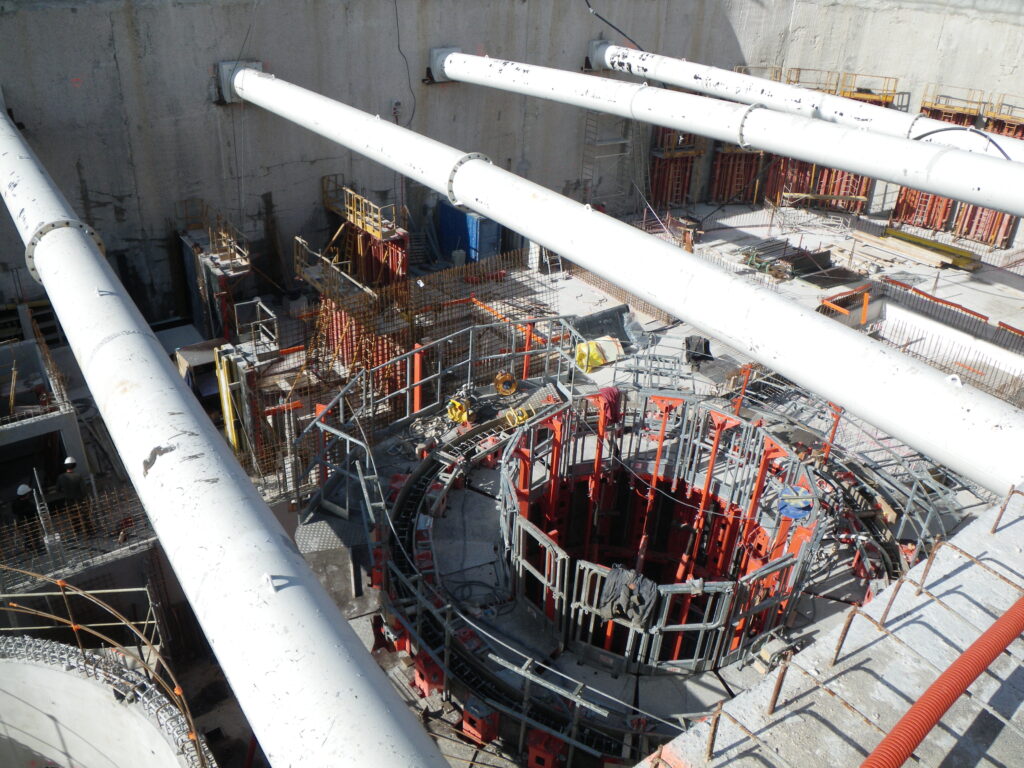
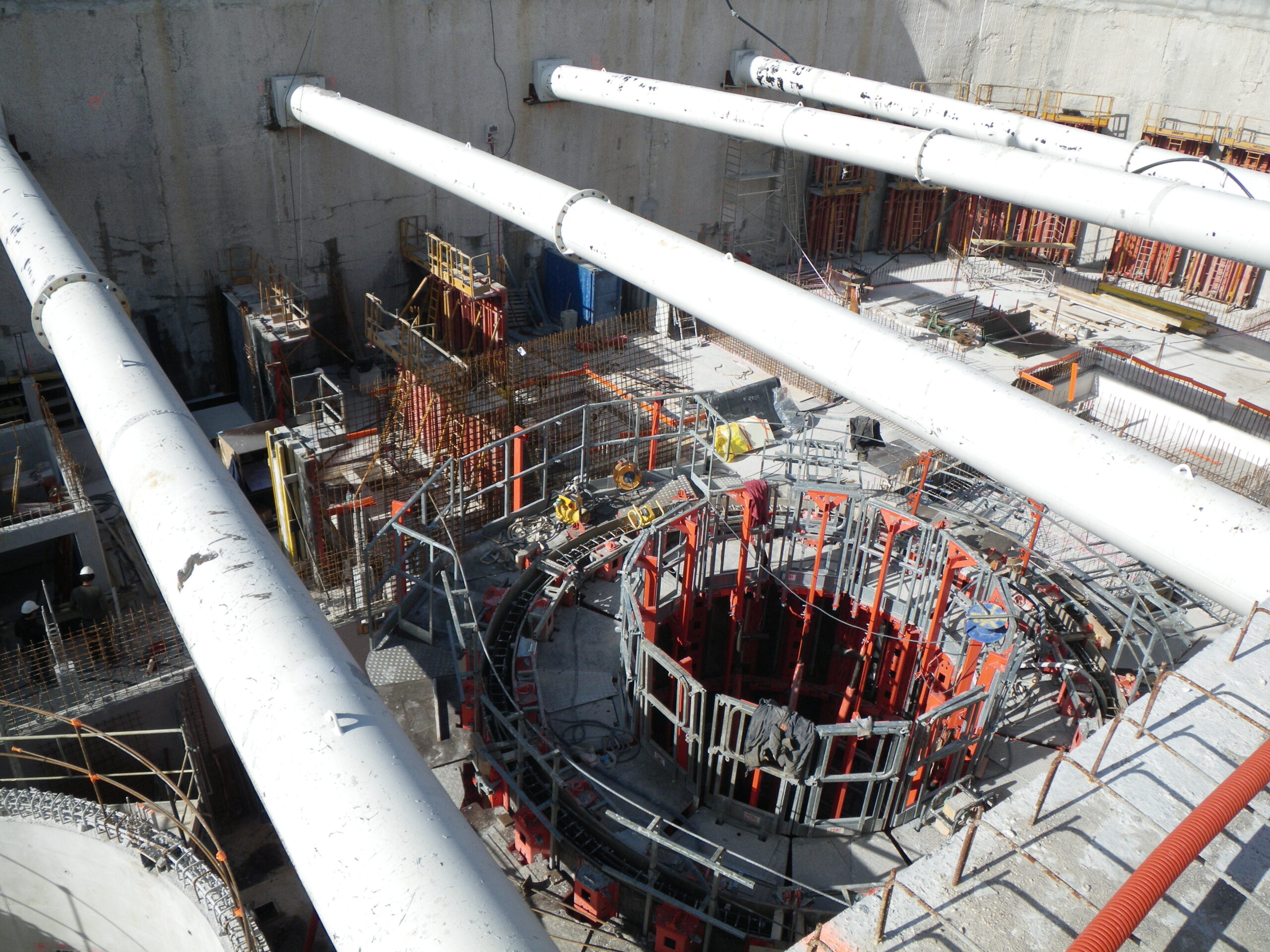
Performance Evaluation – As discussed in previous blogs a lot of monitoring data is relative to the expected behaviour of the model. The data can be used to confirm that the design assumptions are correct or highlight if they are either too conservative or not conservative enough.
This is the essence of the observational method and a key aspect of construction control. If performance is in excess of expectations, value engineering can be possible.
Can previous data tell the future?
We are living in a changing world, our weather, climates and events are becoming more extreme. Models that we use today are built on previous empirical data and understanding which allows us to predict how our structures and assets will behave. However, can existing data still predict the behaviour into the future?
The answer is not definitive, however by monitoring the behaviour of our assets and projects we can build up a better understanding of how assets may behave many years from now. As the life cycle of assets becomes more important, knowing how they behave into the future is becoming more important.
Page Contents

Share this article


